5-Axis CNC Machining: Unleashing Material Versatility and Precision
News Details
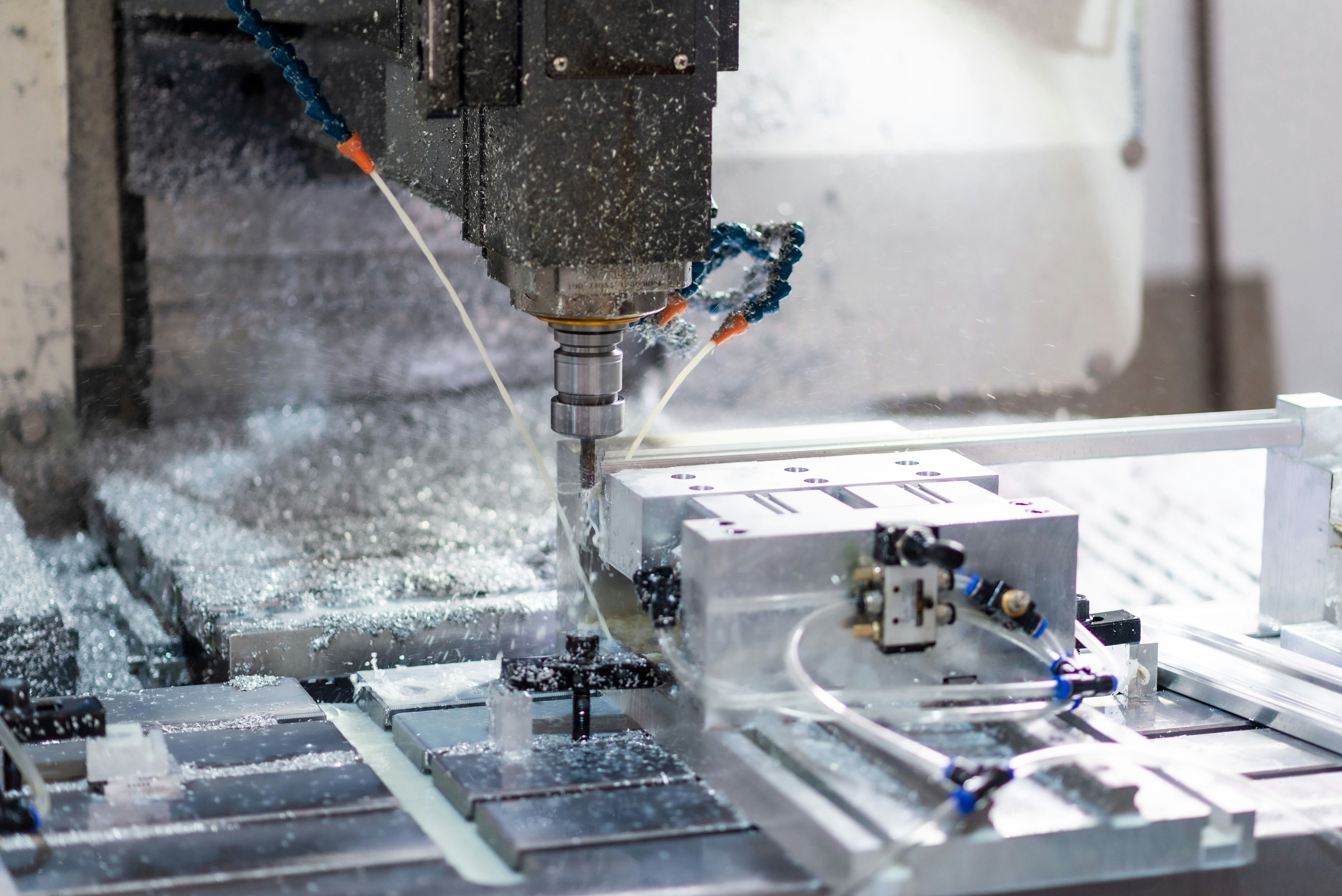
5 Axis CNC Machining is an advanced manufacturing process used to produce complex and precise components. Unlike traditional 3-axis machining, it allows the cutting tool or workpiece to move along five axes. This gives manufacturers greater flexibility when machining multiple surfaces, angled features, and complex geometries.
For industries such as aerospace, automotive, medical equipment, and industrial machinery, 5-axis machining helps produce parts with complex designs and demanding dimensional requirements. It also reduces repeated setups and improves production efficiency.
Understanding its working principles, benefits, limitations, and material options can help buyers choose the right machining process for their projects.
1. What Is a 5-Axis CNC Machine?
A 5-axis CNC machine is a computer-controlled machine tool that moves along three linear axes and two rotational axes.
-
X, Y, and Z Axes: These control movement in three directions: left and right, forward and backward, and up and down.
-
A and B/C Axes: These provide rotational movement, allowing the workpiece or cutting tool to tilt and rotate.
By combining these movements, the machine can reach multiple surfaces from different angles without repeatedly repositioning the workpiece.
There are two common machining methods:
-
3+2 Axis Machining: The machine rotates the workpiece to a selected angle and then performs cutting.
-
Simultaneous 5-Axis Machining: All five axes move together during cutting. This method is suitable for complex curves and freeform surfaces.
2. What Are the Advantages of 5-Axis CNC Machining?
5-axis machining offers several benefits for manufacturers and industrial buyers.
-
Machining Complex Geometries: It can produce curved surfaces, deep cavities, angled holes, and complex components that are difficult to make with traditional machining.
-
Fewer Setups: The machine can access multiple sides of a workpiece in fewer setups. This reduces repositioning time and potential alignment errors.
-
Improved Precision: Fewer setups help maintain dimensional relationships between features on different surfaces.
-
Better Surface Finish: The cutting tool can maintain a suitable angle against the workpiece, helping improve surface quality on complex contours.
-
Higher Production Efficiency: Reduced setup time and fewer machining operations can shorten overall production time.
These benefits make 5-axis machining suitable for custom components with complex structures and demanding requirements.
3. What Are the Disadvantages of 5-Axis CNC Machining?
Despite its advantages, 5-axis machining also has some limitations that buyers should consider.
-
Higher Equipment Costs: Five-axis machines and their control systems usually require greater investment than standard 3-axis machines.
-
More Complex Programming: CAM programming, toolpath planning, and collision checks require specialized knowledge.
-
Higher Machining Costs: Machine rates, programming time, and fixture costs may increase the price of individual parts.
-
Workpiece Size Limitations: The machine's working area and rotary movement limit the dimensions of parts it can process.
-
Skilled Operators Required: Operators need experience in machine setup, tool selection, programming, and quality control.
For simple parts with features on only one or two surfaces, 3-axis machining may be a more economical option. The best process depends on part geometry, tolerance, production quantity, and budget.
4. What Materials Are Suitable for 5-Axis CNC Machining?
One important advantage of 5-axis machining is its ability to process a wide range of metals and engineering plastics. The right material depends on the part's strength, weight, corrosion resistance, and working environment.
Aluminum Alloys
Common grades include 6061 and 7075 aluminum. Aluminum is lightweight, easy to machine, and offers a good strength-to-weight ratio.
5 axis aluminum machining is widely used for aerospace brackets, equipment housings, structural components, and precision fixtures.
Stainless Steel
Grades such as 304, 316, and 17-4PH are commonly used. Stainless steel provides good strength and corrosion resistance.
It is suitable for industrial fittings, medical equipment components, machine parts, and fluid handling components.
Titanium Alloys
Ti-6Al-4V is a common titanium alloy used in demanding applications. It offers high strength, low weight, and excellent corrosion resistance.
5 axis titanium machining is suitable for aerospace components, medical implants, and high-performance mechanical parts. However, titanium requires careful cutting parameters and tool selection because of its machining difficulty.
Other Materials
Five-axis machines can also process:
-
Brass and Copper: Used for electrical connectors, fittings, and heat transfer components.
-
Carbon and Alloy Steel: Used for mechanical parts, shafts, and industrial equipment.
-
Engineering Plastics: PEEK, POM, and PTFE are suitable for lightweight, wear-resistant, and chemically resistant components.
Material selection should consider mechanical properties, machining difficulty, finishing requirements, and total production cost.
5. What Can a 5-Axis CNC Machine Produce?
5-axis machining is suitable for parts with complex geometries, multiple machining surfaces, and precision requirements.
Common 5 Axis CNC Machined Parts include:
-
Aerospace Components: Turbine blades, structural brackets, aircraft fittings, and engine components.
-
Automotive Parts: Engine housings, transmission components, and precision brackets.
-
Medical Components: Surgical instruments, orthopedic components, and medical equipment parts.
-
Industrial Machinery Parts: Pump housings, valve bodies, impellers, and machine components.
-
Mold and Tooling Components: Complex mold cavities, dies, and precision tooling.
These components often require accurate positioning, complex contours, and consistent machining quality.
6. How to Choose a 5-Axis CNC Machining Manufacturer?
For overseas buyers, choosing a reliable manufacturing partner is important for controlling product quality, cost, and delivery time.
Consider the following factors:
-
Machining Capabilities: Check the manufacturer's machine types, working dimensions, and ability to process your part geometry.
-
Material Experience: Confirm whether the supplier has experience machining your required materials and grades.
-
Tolerance and Inspection: Ask about dimensional inspection, measuring equipment, and quality control procedures.
-
Custom Manufacturing: Check whether the manufacturer can work with CAD drawings, technical specifications, and custom requirements.
-
Production Capacity: Evaluate prototype support, batch production capacity, lead times, and export packaging.
Providing 3D drawings, material specifications, required tolerances, and order quantities can help manufacturers evaluate your project and prepare an accurate quotation.
Conclusion
5-axis CNC machining provides an effective solution for manufacturing complex and precision components. It supports a wide range of materials, reduces repeated setups, and improves access to difficult machining surfaces.
However, it is not always the most economical choice for every part. Buyers should consider geometry, material, tolerance, production volume, and budget before selecting a machining process.
Working with an experienced 5-axis CNC machining manufacturer can help ensure that custom parts meet their design and application requirements.


