
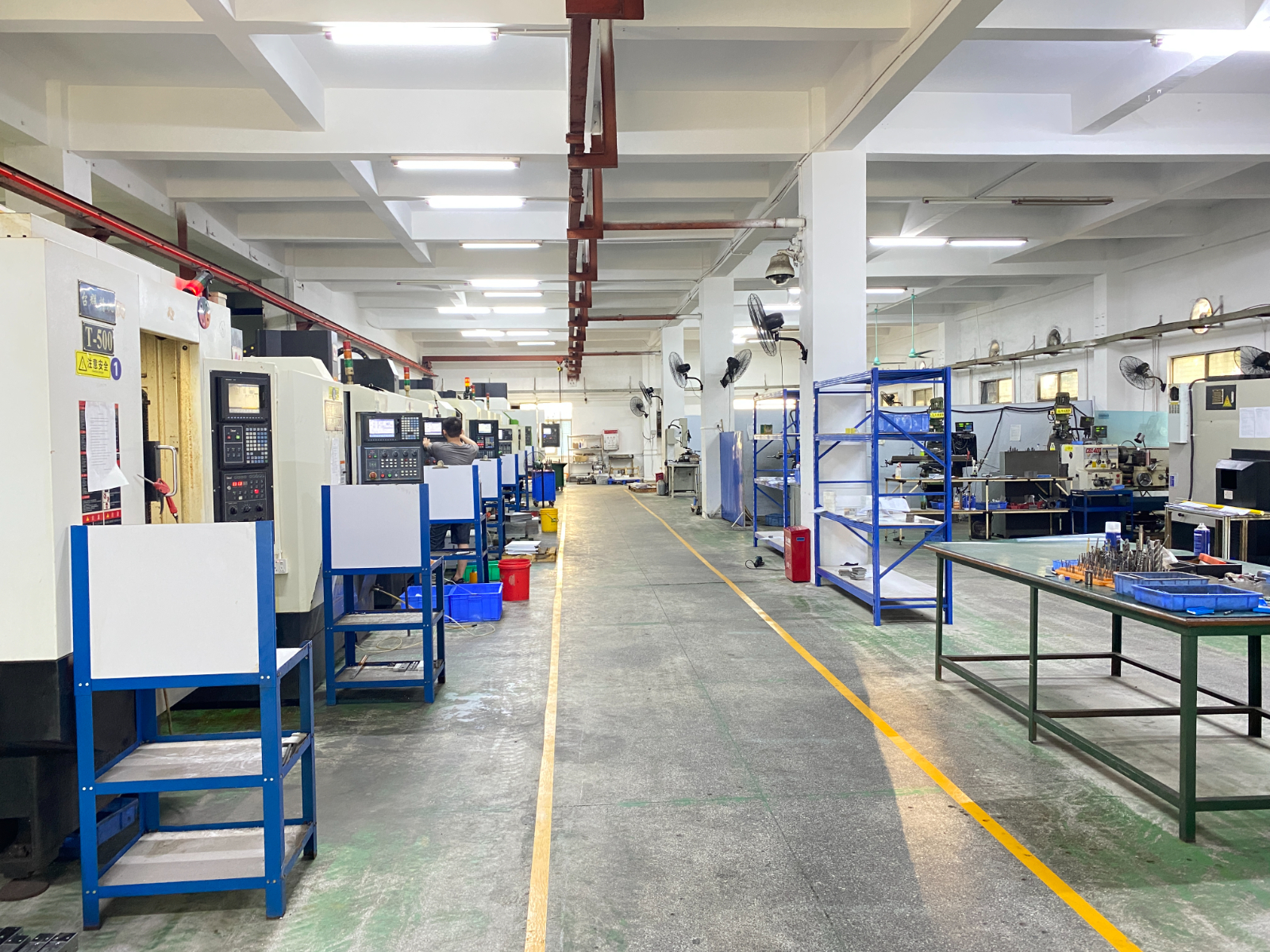
What Are Complex Structure Mechanical Parts in Tight Tolerance Hardware Processing?
Complex structure mechanical parts are precision components with difficult shapes, fine details, and strict size control. These parts are widely used in the automotive, aerospace, medical, electronics, robotics, and industrial equipment industries. Because these components often include deep cavities, thin walls, threaded holes, curved surfaces, and multi-angle structures, they require advanced tight tolerance hardware processing.
Today, manufacturers demand better precision, faster delivery, and more stable quality. Therefore, tight tolerance machining has become more important than ever. High-precision processing not only improves product performance but also reduces assembly errors and material waste.
In modern manufacturing, complex mechanical parts are usually produced through CNC machining, precision milling, turning, grinding, EDM machining, and surface finishing. These technologies help factories achieve high accuracy while maintaining production efficiency.
Why Tight Tolerance Hardware Processing Is Important for Precision Parts
Tight tolerance hardware processing ensures that every mechanical component matches exact design requirements. Even a small error can affect the performance of the final product. As a result, industries that require high reliability depend heavily on precision machining services.
For example, automotive engine parts require exact dimensions to ensure smooth operation. Likewise, aerospace parts must meet extremely strict standards because safety is critical. In medical equipment, precision components help devices work accurately and safely.
There are several major benefits of tight tolerance processing:
- Improves assembly accuracy
- Reduces mechanical wear
- Enhances product lifespan
- Supports high-speed automation
- Minimizes production defects
- Ensures stable product quality
Because of these advantages, more companies now choose experienced precision hardware manufacturers for custom mechanical parts production.
Common Materials Used in Tight Tolerance Hardware Processing
Material selection plays a major role in precision mechanical part manufacturing. Different industries require different material properties, such as corrosion resistance, hardness, strength, or lightweight performance.
Stainless Steel for Precision Mechanical Parts
Stainless steel is one of the most popular materials in tight tolerance hardware processing. It offers strong corrosion resistance, good strength, and long service life. Stainless steel precision parts are widely used in automotive systems, industrial machines, and medical equipment.
Common grades include:
- 304 stainless steel
- 316 stainless steel
- 410 stainless steel
- 420 stainless steel
Aluminum Alloy for CNC Precision Parts
Aluminum is lightweight and easy to machine. Therefore, it is often used for aerospace components, electronic housings, and robotics parts. In addition, aluminum provides excellent thermal conductivity and corrosion resistance.
Carbon Steel and Alloy Steel Components
Carbon steel and alloy steel are suitable for high-strength industrial applications. These materials are often used in shafts, gears, brackets, and heavy-duty machinery parts.
Brass and Copper Precision Hardware
Brass and copper are widely used in electrical and electronic industries because of their excellent conductivity and machinability.
Key Technologies Used in Tight Tolerance Hardware Processing
Modern manufacturing relies on advanced machining technologies to produce complex structure mechanical parts. These technologies help achieve consistent quality and precise dimensions.
CNC Milling for Complex Mechanical Components
CNC milling is ideal for creating complicated surfaces, slots, cavities, and irregular shapes. Multi-axis CNC milling machines can process complex parts with high precision and excellent repeatability.
CNC Turning for Precision Hardware Parts
CNC turning is mainly used for round or cylindrical parts. It provides smooth finishes and tight dimensional control for shafts, pins, bushings, and threaded components.
EDM Machining for Intricate Structures
Electrical discharge machining, also called EDM machining, is suitable for extremely detailed or hard materials. It can create sharp corners and deep internal shapes that traditional cutting tools cannot easily achieve.
Precision Grinding for Ultra-Tight Tolerances
Grinding improves surface finish and dimensional accuracy. It is commonly used when tolerance requirements are extremely strict.
How Tight Tolerance CNC Machining Improves Product Quality
High-precision CNC machining directly affects product quality. First, it improves consistency during mass production. Second, it reduces assembly problems. Third, it lowers maintenance costs for end users.
Moreover, precision machining supports automation and smart manufacturing. Since modern factories require stable and repeatable production, CNC precision processing has become essential.
Advanced inspection systems also help improve quality control. Many manufacturers now use:
- Coordinate Measuring Machines (CMM)
- Laser measurement systems
- Optical inspection equipment
- Surface roughness testing
- Hardness testing
These inspection methods ensure every part meets customer specifications.
Industries That Use Complex Structure Mechanical Parts
Complex mechanical components are used in many industries because modern equipment requires high precision and durability.
Automotive Industry
Automotive manufacturers use tight tolerance hardware processing for engine systems, transmission parts, brake components, and electric vehicle systems.
Aerospace Industry
Aircraft and aerospace equipment require lightweight yet strong precision parts. Therefore, aerospace machining requires strict quality control and advanced CNC technology.
Medical Equipment Industry
Medical devices depend on highly accurate mechanical components. Precision machining helps ensure safety, reliability, and smooth operation.
Electronics and Robotics
Robotics and electronics industries need miniature precision parts with excellent dimensional accuracy. Tight tolerance processing supports high-performance automation systems.
Industrial Machinery
Industrial equipment uses precision hardware parts for gears, connectors, valves, and heavy machinery systems.
Challenges in Manufacturing Complex Structure Mechanical Parts
Although modern machining technology has improved greatly, producing complex structure mechanical parts still presents several challenges.
Maintaining Tight Tolerances
Very small dimensional dimensional errors can affect product performance. Therefore, machinists must carefully control every production step.
Machining Difficult Materials
Some materials, such as titanium and hardened steel, are difficult to machine. They require specialized cutting tools and advanced machining techniques.
Managing Heat and Deformation
Heat generated during machining may cause part deformation. As a result, manufacturers must optimize cutting speed, coolant use, and machining strategy.
Surface Finish Requirements
Many industries require smooth surface finishes to improve product performance and appearance. Precision grinding and polishing are often necessary.
How to Choose the Right Tight Tolerance Hardware Processing Supplier
Choosing the right precision machining supplier is very important. A reliable manufacturer can improve product quality, reduce production risk, and shorten delivery time.
When selecting a supplier, consider the following factors:
Manufacturing Experience
Experienced manufacturers understand complex machining challenges and can provide better production solutions.
Advanced CNC Equipment
Modern CNC machining centers improve precision, efficiency, and consistency.
Quality Control System
A professional supplier should have strict inspection processes and quality certifications.
Material Processing Capability
The supplier should support multiple materials and custom machining requirements.
Fast Delivery and Stable Production
Reliable lead times are essential for modern supply chains.
Future Trends in Tight Tolerance Hardware Processing
The future of precision hardware processing is moving toward automation, digital manufacturing, and smart production systems. Many factories now use AI-based monitoring systems, robotic automation, and intelligent inspection technology.
In addition, 5-axis CNC machining is becoming more common because it can process highly complex parts with fewer setups. This improves accuracy and production speed.
Green manufacturing is also growing rapidly. Manufacturers are focusing on energy-saving equipment, recyclable materials, and reduced material waste.
As industries continue to demand higher precision and faster production, tight tolerance machining will remain a key part of advanced manufacturing.
Conclusion


