
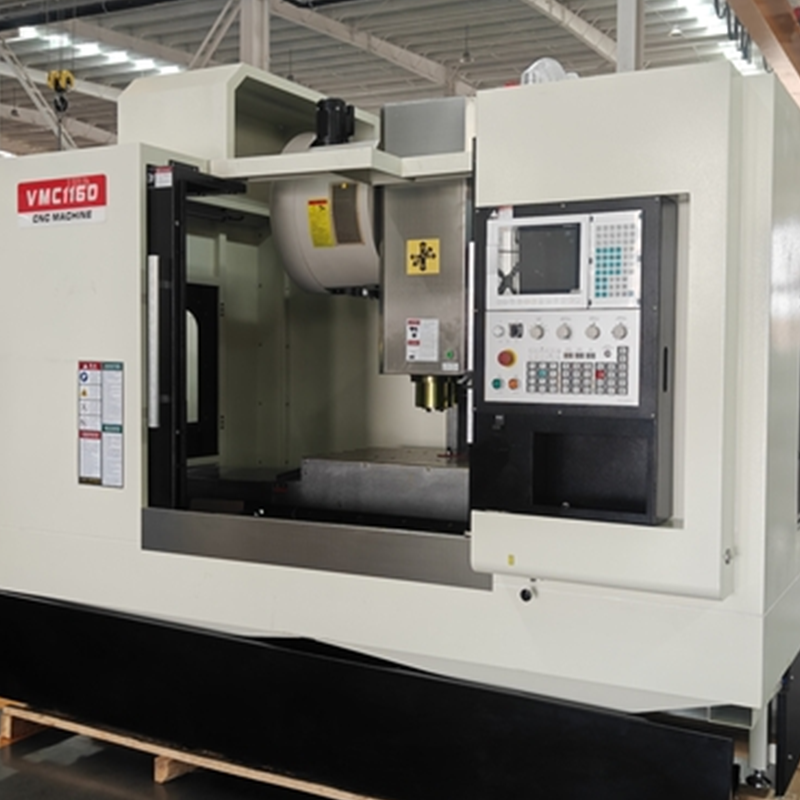
In modern precision manufacturing, the Vertical Machining Center (VMC) plays a key role in daily production. Whether in aerospace, automotive parts, medical devices, or industrial automation, machining accuracy and machine reliability directly affect product quality and delivery time.
Among all machine components, the spindle system is often called the “heart” of the VMC. However, as machines run for longer periods and production environments become more demanding, spindle faults such as abnormal noise, overheating, poor surface finish, and tool change failures are becoming more common.
This article provides a practical guide to VMC spindle fault diagnosis and preventive maintenance. Based on real maintenance cases, we explain common spindle problems, their root causes, repair methods, and long-term prevention strategies to help manufacturers improve equipment stability and reduce downtime.
Why VMC Spindle Health Matters in Precision Machining
The spindle directly affects:
- Machining accuracy
- Surface finish quality
- Tool life
- Production efficiency
- Equipment reliability
Even a small spindle issue can lead to:
- Cylindricity errors
- Excessive runout
- Vibration marks
- Tool clamping failure
- Tool changer crashes
- Unexpected machine shutdowns
Therefore, early diagnosis and preventive maintenance are critical for maintaining stable CNC machining performance.
Common VMC Spindle Faults and Warning Signs
Before a serious spindle failure occurs, several warning signs usually appear:
Abnormal Spindle Noise
High-frequency noise, grinding sounds, or vibration often indicate bearing wear or lubrication failure.
Excessive Spindle Temperature
Overheating may result from insufficient lubrication, preload loss, or contaminated grease.
Poor Machining Accuracy
Increased runout or unstable cutting performance may point to bearing clearance issues or taper wear.
Tool Change Failure
Problems during automatic tool changing often involve the drawbar system, hydraulic intensifier, or spindle orientation system.
Surface Finish Defects
Visible chatter marks or inconsistent finishes can indicate spindle vibration or improper tool clamping force.
Recognizing these symptoms early can prevent severe mechanical damage and costly downtime.
The Hidden Relationship Between Spindle Bearings and Heat
One of the most common spindle failures involves bearing damage caused by contamination and preload loss.
How Contaminated Air Damages Spindle Bearings
In many factories, compressed air systems lack proper filtration and drying. During pneumatic chip blowing, moisture and dust can enter the spindle area and mix with bearing grease.
This contamination causes:
- Lubrication failure
- Accelerated bearing wear
- Fretting on the spindle taper
- Increased spindle vibration
- Thermal instability
Over time, spindle accuracy gradually decreases.
Mechanical Fatigue and Bearing Preload Loss
Another major issue is fatigue in the spindle clamping mechanism.
As disc springs weaken over time, the tool holder cannot be fully clamped. At the same time, front bearing preload decreases, increasing internal clearance.
The result is micro-runout and unstable cutting performance.
Effective Repair Solutions for Bearing-Related Spindle Faults
Professional repair teams usually adopt a complete repair strategy rather than replacing only damaged parts.
Typical repair procedures include:
High-Precision Bearing Replacement
New precision bearings are installed with carefully controlled clearance settings to restore spindle stability.
Internal Taper Refurbishment
Custom lapping tools help restore proper spindle taper contact and improve tool holder seating accuracy.
Disc Spring Replacement
Replacing fatigued springs restores proper tool clamping force and reduces vibration.
After proper repair and calibration, spindle runout and temperature performance can return close to factory standards.
Pneumatic-Hydraulic Intensifier Problems During Tool Change
Automatic tool changers rely heavily on accurate timing between pneumatic and hydraulic systems.
However, many VMC tool change failures are caused by synchronization delays.
Why Drawbar Steel Balls Become Damaged
A common issue occurs when the robotic arm extracts the tool before the drawbar is fully released.
This often happens because:
- The pneumatic cylinder moves first
- The hydraulic intensifier responds slightly later
- The system sends the “ready” signal too early
Even a small timing difference can shear drawbar steel balls or damage retention knobs.
How to Fix Hydraulic Intensifier Synchronization
The solution usually involves restoring the hydraulic system’s response speed and stability.
Key maintenance actions include:
- Cleaning the intensifier cylinder
- Replacing aged seals
- Refilling hydraulic oil
- Adjusting air pressure correctly
- Inspecting oil contamination
Maintaining stable hydraulic pressure significantly improves tool change reliability.
Electrical Sensor Drift and Spindle Orientation Errors
Some spindle problems appear mechanical but actually originate from electrical component drift.
Hall Sensor Misalignment and Tool Change Impact
Many VMCs use Hall effect sensors for spindle orientation.
If the sensor mounting becomes loose due to vibration:
- The spindle orientation position shifts
- The keyway no longer aligns correctly
- Tool holders collide with spindle drive keys
This can cause loud impact noises and damage spindle nose components.
Z-Axis Reference Drift During Tool Change
Loose proximity switches can also shift the Z-axis reference position.
As a result:
- Tool holders insert at the wrong height
- The spindle taper face gets damaged
- Tool changer crashes occur
Recommended Repair and Prevention Measures
Maintenance teams should:
- Realign Hall sensors
- Secure mounting screws with thread-locking compound
- Recalibrate proximity switches
- Replace damaged drive keys
- Perform periodic electrical inspections
This combination of electrical calibration and mechanical reinforcement can eliminate recurring tool change problems.
Building a Preventive Maintenance System for VMC Spindles
The best maintenance strategy is preventing failures before they happen.
A structured Preventive Maintenance (PM) system helps manufacturers reduce repair costs and improve equipment uptime.
Improve Compressed Air Quality
Install:
- Precision air filters
- Air dryers
- Moisture separators
Regularly replace filters and drain water from the system to prevent contamination.
Monitor Hydraulic and Pneumatic Systems
Create inspection schedules for:
- Hydraulic oil quality
- Intensifier cylinder performance
- Air pressure stability
- Seal condition
Early detection prevents sudden failures.
Perform Routine Electrical Inspections
Check critical components regularly, including:
- Hall sensors
- Proximity switches
- Spindle orientation systems
- Cable connections
This helps avoid parameter drift caused by long-term vibration.
Track Spindle Performance Data
Modern factories increasingly monitor:
- Spindle temperature
- Vibration levels
- Noise trends
- Runout values
Predictive maintenance based on data analysis can prevent unexpected downtime.
Why Preventive Maintenance Improves CNC Productivity
A stable spindle system offers many long-term benefits:
- Better machining accuracy
- Reduced scrap rate
- Longer tool life
- Fewer machine stoppages
- Lower repair costs
- Improved production efficiency
For manufacturers operating in competitive industries, spindle reliability directly affects profitability and customer satisfaction.
Conclusion
VMC spindle failures are rarely caused by a single problem. In most cases, they result from the gradual accumulation of small mechanical, hydraulic, pneumatic, and electrical issues.
By understanding the real root causes behind spindle overheating, abnormal noise, tool change failures, and machining inaccuracies, manufacturers can move from reactive repair to proactive maintenance.
With scientific diagnosis, standardized maintenance procedures, and a strong preventive maintenance system, companies can significantly extend spindle life, maintain stable machining precision, and improve overall production performance.


