How Are Custom Transmission Parts Designed and Manufactured?
News Details
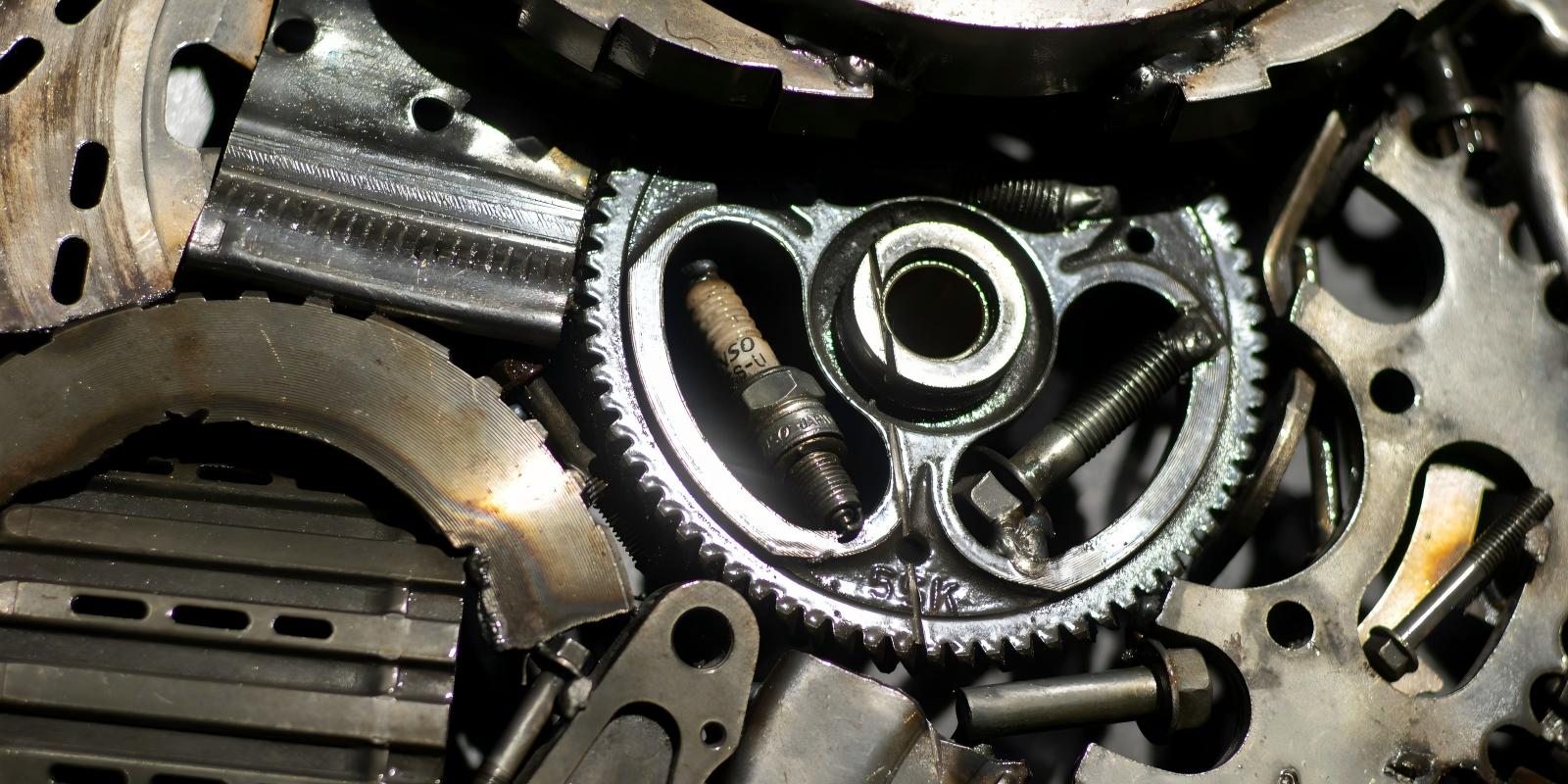
Custom transmission parts play an important role in many machines. They transfer power, control speed, and support movement. Therefore, they must match the machine and its working needs.
However, manufacturers cannot make custom parts by changing size alone. They need to follow a clear design and production process. This process starts with the customer's needs and ends with quality inspection.
So, how are custom transmission parts designed and manufactured? In general, the process includes design, material selection, machining, finishing, inspection, and delivery.
XHIONTECH provides custom machining and metal component solutions for customers who need precision mechanical parts.
What Are Custom Transmission Parts?
Custom transmission parts are mechanical components made for a specific machine or system. Unlike standard parts, manufacturers design them based on the customer's drawings and requirements.
These parts can include:
- Gears
- Shafts
- Housings
- Bushings
- Brackets
- Connectors
- Other precision mechanical parts
The design can change based on size, load, speed, material, and installation space.
As a result, custom transmission parts can offer a better fit and better performance for special machines.
How Does the Custom Transmission Parts Design Process Start?
The first step is to understand the project.
Customers usually provide technical drawings, 3D files, samples, or basic part details. They may also share information about the machine and its working conditions.
The manufacturer then checks key points such as:
- Part size
- Material
- Tolerance
- Surface finish
- Load
- Operating speed
- Installation method
This step is important because a clear design can prevent problems later.
If the design has an issue, the manufacturer can discuss it with the customer before production. Therefore, early communication can save both time and cost.
How Are Materials Selected for Custom Transmission Components?
Material selection is another important step. Different transmission parts need different levels of strength, weight, and wear resistance.
For example, manufacturers may use aluminum when low weight is important. Steel may be a better choice when the part needs high strength. Stainless steel can also work well when corrosion resistance matters.
The manufacturer should choose the material based on the actual use of the part.
In addition, material choice can affect machining, cost, and service life. Therefore, manufacturers should consider all these factors before production.
How Are Custom Transmission Parts Prepared for CNC Machining?
After the design and material are confirmed, the manufacturer prepares the part for production.
CNC machining is a common method for making precision transmission parts. The process uses computer-controlled machines to cut and shape the material.
Before machining, engineers review the design and create the required machining program.
They also choose suitable tools and set the machining steps. This helps the machine produce the required shape and size.
As a result, CNC machining can provide high accuracy and repeatable results.
How Does CNC Machining Produce Precision Transmission Parts?
CNC machining removes material from a metal block or other workpiece. The machine follows a digital program to create the final shape.
Depending on the part, the process may include:
- Cutting the raw material
- Rough machining
- Fine machining
- Drilling or milling
- Surface finishing
- Final inspection
Each step has a clear purpose.
First, rough machining removes most of the extra material. Then, fine machining creates the final dimensions.
Therefore, CNC machining works well for custom transmission components that need accurate sizes and consistent quality.
How Are Custom Metal Transmission Parts Finished?
Machining creates the basic part, but some applications need additional surface treatment.
For example, a part may need polishing, coating, plating, or other finishing methods. These treatments can improve surface quality or help protect the part.
The right finish depends on the part's use. A part that faces frequent friction may need better surface protection. A part used in a clean environment may need a smooth surface.
Therefore, manufacturers should select the finishing method based on the working conditions.
How Are Custom Transmission Components Inspected?
Quality inspection comes after machining and finishing.
Manufacturers check whether the finished part matches the approved design. They may measure dimensions, holes, surfaces, and other key areas.
Inspection can help find problems such as:
- Incorrect dimensions
- Poor surface finish
- Wrong hole position
- Material issues
- Machining errors
For precision transmission parts, accurate inspection is especially important.
As a result, quality control helps ensure that parts fit the machine and work as expected.
What Custom Transmission Parts Can XHIONTECH Manufacture?
XHIONTECH provides custom manufacturing solutions for precision mechanical components.
The company supports customers with different custom part requirements. Customers can provide drawings, samples, dimensions, and other technical information.
CNC Machined Components
XHIONTECH provides CNC machining for custom mechanical parts. This process can produce parts with accurate dimensions and repeatable quality.
These components can support different industrial machines and mechanical systems.
Custom Metal Parts
XHIONTECH also provides custom metal components. Customers can select suitable materials based on their product requirements.
The parts can be made to match specific sizes, shapes, and technical needs.
Prototype Parts
New products often need prototypes before mass production. XHIONTECH supports prototype and small-batch projects.
This allows customers to test the part first. They can then make changes before placing a larger order.
Customized Mechanical Components
XHIONTECH can produce parts based on customer drawings and specifications. This gives manufacturers more freedom when developing new machines.
It also helps companies replace hard-to-find standard components with parts made for their equipment.
What Quality Factors Matter in Custom Transmission Parts?
Good quality involves more than accurate dimensions. Manufacturers should also control the material, surface finish, strength, and overall part condition.
First, the material must match the application. Next, the machining process must meet the required tolerance.
Then, the finished part should pass inspection before shipment.
In addition, stable production is important for repeat orders. Each batch should maintain the same basic quality and dimensions.
Therefore, a clear quality control process can reduce production problems and improve customer confidence.
How Can Manufacturers Reduce Custom Transmission Parts Costs?
Custom parts do not always have to be expensive. Good design and production planning can help control costs.
For example, engineers can simplify the part design when possible. They can also choose materials that provide the needed performance without adding unnecessary cost.
In addition, manufacturers can reduce waste through better machining plans.
For larger orders, repeat production can also improve efficiency. Once the process is stable, the manufacturer can produce the same part more efficiently.
Therefore, customers should discuss cost, design, material, and production volume with the supplier at the start of the project.
How Long Does Custom Transmission Parts Manufacturing Take?
Production time depends on the part and the project.
Simple parts may require less machining time. Complex parts usually need more steps and more inspection.
The production schedule can also depend on:
- Material availability
- Part complexity
- Quantity
- Surface treatment
- Quality requirements
- Prototype testing
Therefore, customers should confirm the schedule before production starts.
Clear drawings and quick communication can also help reduce delays.
Why Choose a Professional Custom Transmission Parts Manufacturer?
A professional manufacturer can support the project from design review to final production.
First, it can help check whether the design is suitable for machining. Next, it can recommend materials and production methods.
It can also provide prototypes before larger production runs.
More importantly, an experienced supplier can keep quality stable across repeat orders.
As a result, customers can reduce production risks and spend less time solving part-related problems.
Custom Transmission Parts for Different Industrial Applications
Custom transmission components are used in many industries.
Common applications include:
- Industrial machinery
- Automation equipment
- Robotics
- Manufacturing systems
- Transportation equipment
- Power transmission systems
- Precision equipment
- Special-purpose machines
Each application has different requirements. Therefore, manufacturers often need parts with different sizes, materials, and designs.
Custom manufacturing provides the flexibility needed for these projects.
Conclusion: From Design to Custom Transmission Parts Manufacturing
The production of custom transmission parts follows several key steps. First, the manufacturer reviews the design and application. Next, it selects the right material and prepares the machining process.
After that, CNC machines produce the part. Surface treatment may follow when needed. Finally, the manufacturer inspects the finished component before delivery.
This process helps create accurate and reliable transmission components.
For companies that need custom mechanical parts, choosing an experienced supplier is important. With CNC machining, custom metal parts, prototype support, and flexible production, XHIONTECH provides solutions for different industrial applications.


