In modern manufacturing, precision is not just a benefit. It is a must. As industries move toward faster production and higher performance, tight tolerance machining parts have become more important than ever. They help ensure every component fits, works, and lasts as expected. In this article, we will explain why choosing tight tolerance machining parts matters, and how high precision and strict quality inspection make a real difference.
Tight Tolerance Machining Parts for High Precision Performance
When we talk about tight tolerance machining parts, we mean parts that are made with very small allowed size differences. In simple words, every piece is almost exactly the same as the design.
This is very important for many industries. For example, in automotive, aerospace, and medical tools, even a tiny error can cause failure. Therefore, high precision is not optional—it is critical.
Moreover, tight tolerance machining brings several clear benefits:
- Better part fit and assembly
- Lower risk of machine failure
- Longer product life
- Improved product performance
In addition, when parts fit well, machines run smoother. This reduces vibration, wear, and energy loss. As a result, companies can save both time and cost in the long run.
Why High Precision Matters in Tight Tolerance Machining Parts
High precision is the core of tight tolerance machining parts. Without it, even the best design cannot work properly.
For example, imagine two parts that must connect perfectly. If the size is even slightly off, the whole system may fail. That is why precision machining uses advanced CNC equipment and skilled operators to control every detail.
Furthermore, high precision helps in:
- Reducing rework and waste
- Improving production efficiency
- Ensuring consistent product quality
- Meeting strict industry standards
In addition, modern manufacturing often requires parts that work in extreme environments. High precision ensures that parts can still perform well under heat, pressure, or constant movement.
Strict Quality Inspection in Tight Tolerance Machining Parts Production
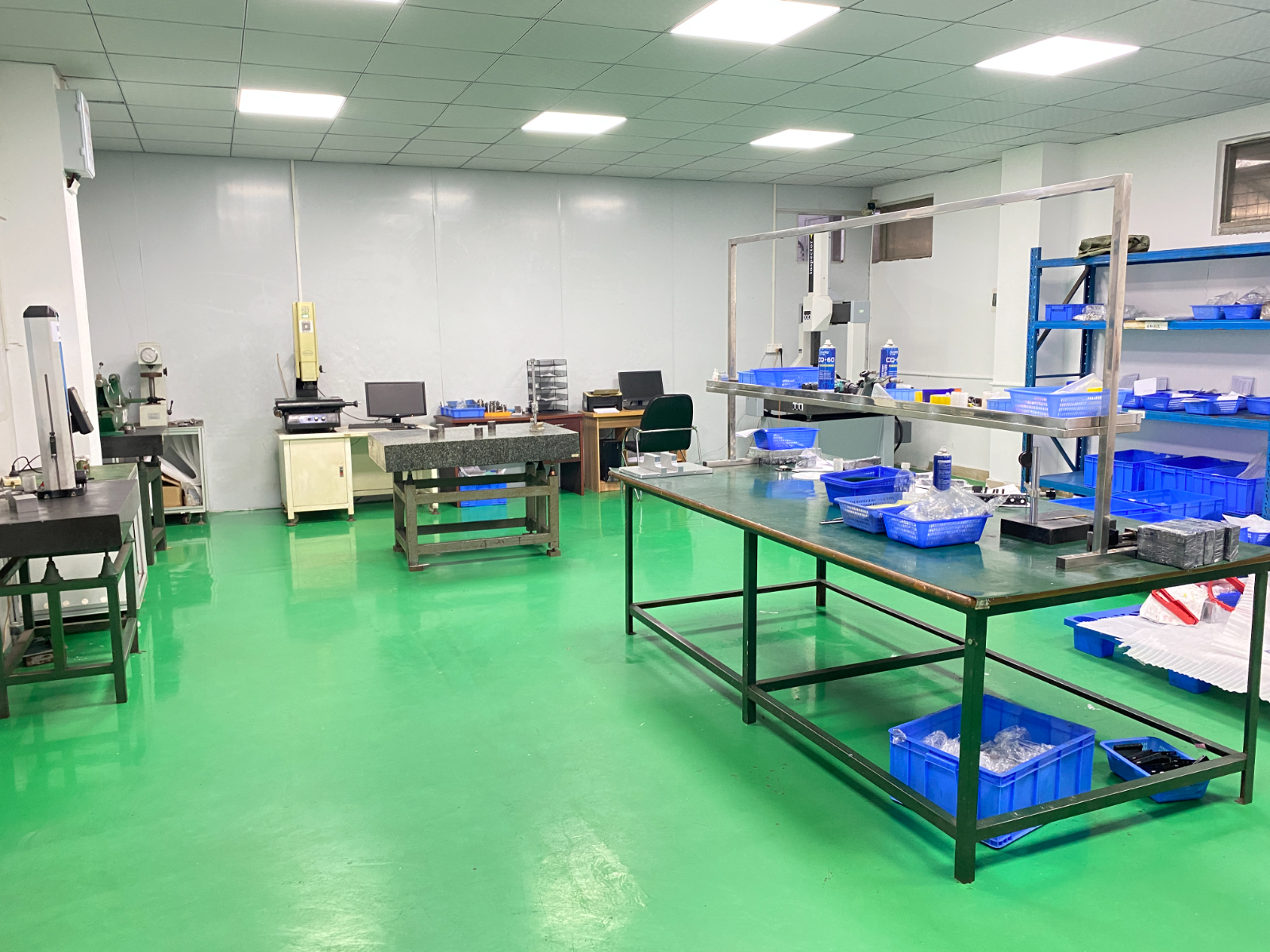
Even with advanced machines, inspection is still necessary. That is why strict quality inspection in tight tolerance machining parts is a key step in production.
Every part must be checked carefully before delivery. This helps ensure that each product meets design requirements.
Typically, quality inspection includes:
- Dimensional measurement
- Surface finish check
- Hardness testing
- Functional testing
Moreover, many factories now use advanced tools such as CMM (Coordinate Measuring Machines). These tools can detect even the smallest deviation. As a result, customers receive parts they can fully trust.
In addition, strict inspection reduces risk. It prevents defective parts from entering production lines, which saves both time and cost.
Benefits of Choosing Tight Tolerance Machining Parts
Choosing tight tolerance machining parts offers many long-term advantages. Not only do they improve product quality, but they also support stable production.
Here are some key benefits:
1. Better Product Reliability
Because every part is made with high accuracy, the final product works more reliably.
2. Reduced Assembly Problems
When parts fit perfectly, assembly becomes faster and easier.
3. Lower Maintenance Costs
High-quality parts wear less, which reduces repair and replacement costs.
4. Stronger Competitive Advantage
Better products help companies stand out in the market.
In addition, industries that require high safety standards—such as aerospace and medical—depend heavily on tight tolerance parts.
Applications of Tight Tolerance Machining Parts in Industry
Tight tolerance machining parts are widely used across many industries. Their role is essential wherever precision is required.
Common applications include:
- Automotive engine components
- Aerospace structural parts
- Medical surgical instruments
- Industrial machinery parts
- Electronic device components
Moreover, as technology continues to improve, demand for high-precision parts is growing quickly. More companies now expect tighter tolerances and better consistency.
How Tight Tolerance Machining Improves Production Efficiency
At first, tight tolerance machining may seem more expensive. However, it actually improves efficiency over time.
Because parts are more accurate, there is less need for adjustments or corrections. This reduces production delays.
In addition, machines run more smoothly with well-fitted parts. This leads to:
- Less downtime
- Faster production cycles
- Higher output quality
Therefore, investing in precision machining is not just a cost. It is a long-term improvement strategy.
Conclusion: Why Tight Tolerance Machining Parts Are the Smart Choice
In conclusion, tight tolerance machining parts play a key role in modern manufacturing. They ensure high precision, stable performance, and reliable quality.
With strict quality inspection and advanced machining technology, these parts help industries achieve better efficiency and lower risk.
So, whether you work in automotive, aerospace, or industrial production, choosing tight tolerance machining parts is a smart and future-focused decision.


