Custom Advanced Robotics Robot Parts
News Details
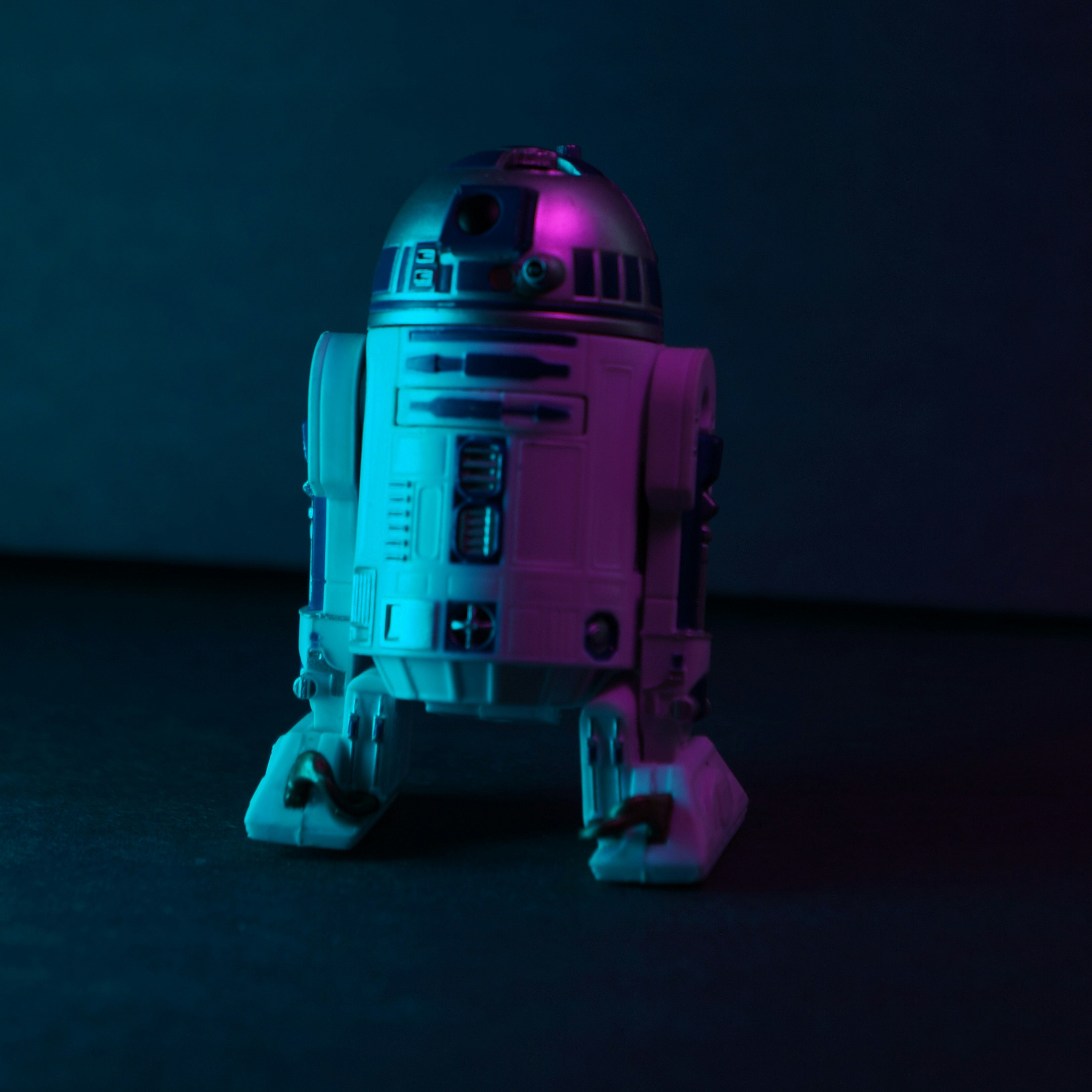
Artificial intelligence is changing the way robots work. Today, robots can see, learn, move and make decisions with greater speed and accuracy. However, advanced robotics depends on more than just software and AI models. It also requires well-made mechanical parts, stable structures and reliable vision systems.
Custom AI robot components help meet these needs. They allow engineers to build parts that fit specific designs, support complex movements and improve system performance. In addition, custom machining helps create parts with the right size, shape and tolerance for each project.
For robot manufacturers, choosing the right parts is an important step toward building reliable products. Xhiontech provides custom precision machining solutions for projects that require accurate metal parts, complex shapes and stable production quality.
Why Custom AI Robot Components Are Important
AI robots often work in tight spaces and perform tasks that require high accuracy. For example, they can inspect products, move small objects, assist with laboratory work or operate in automated factories.
Standard parts do not always meet these needs. Consequently, custom AI robot components can offer a number of benefits.
- Better fit: Custom parts match the robot's design and assembly requirements.
- High precision: Accurate machining helps parts fit and move as planned.
- Lower weight: Appropriate choice of materials can reduce the weight of moving parts.
- Flexible design: Engineers can create special shapes, holes, slots and mounting features.
- Stable quality: Clear drawings and controlled production help ensure consistent part sizes.
In addition, custom parts can reduce the need for additional adapters. This helps simplify assembly and makes it easier to develop new robot designs.
Key components used in advanced robotics
An AI robot consists of many parts. Each part supports a different function, from movement to sensing and control.
Mechanical parts and structural components
Robot frames, joints, brackets, housings and mounting plates provide the basis for the entire system. These parts must fit together well and withstand the forces generated during movement.
CNC machining is useful for producing these components because it can create detailed shapes and accurate features. Depending on the design, engineers can choose aluminum, stainless steel or other suitable metals.
For example, a robotic arm may require a lightweight mounting bracket with precise holes. A custom machined part can help align the motor, joint and arm while keeping the assembly compact.
Camera Optical Instrument Components
Vision is a key part of many AI robots. A camera system helps a robot identify objects, check product quality, read labels or determine its position.
Camera optical instrument components can include lens holders, camera housings, mounting frames, precision rings and other mechanical parts surrounding the optical system. These parts help hold the optical elements in the correct position.
Even a small alignment error can affect image quality or measurement results. Therefore, the mechanical design must support stable mounting and accurate positioning.
Custom camera optical instrument components are useful when a robot requires a special camera size, a compact layout or a unique mounting method. Precision-machined components can also help protect sensitive optical components from movement and external contact.
Types of optical devices used in robotics
Different robots use different types of optical devices depending on their tasks. Common examples are:
- Industrial cameras: capture images for object detection and quality control.
- Depth cameras: help estimate the distance between a robot and an object.
- Stereo vision systems: use two or more views to understand depth and position.
- Laser measurement devices: support distance checks and precise positioning.
- Optical sensors: detect changes in light, position or the presence of objects.
- Machine vision systems: combine cameras, lighting and image processing to inspect products or control robot movement.
Each device has its own design requirements. For example, a depth camera may require a stable bracket that maintains its viewing angle. A machine vision system, on the other hand, may require a custom housing that integrates the camera, lens and lighting unit into a single compact assembly.
The right mechanical parts help these devices work as intended. However, optical performance also depends on lens quality, sensor selection, lighting, calibration and software.
How CNC machining supports the development of AI robots
CNC machining is a practical method for manufacturing custom AI robot components. It uses computer-controlled tools to cut material to the required shape.
Complex shapes and tight tolerances
Advanced robots often use parts with angled surfaces, small holes, curved edges and detailed mounting features. CNC milling and turning can produce many of these features with good dimensional control.
For more complex designs, 5-axis CNC machining can access multiple surfaces with fewer setups. This can help reduce alignment errors between features and support parts with complex geometries.
Choice of material
The choice of material affects weight, strength, wear resistance and cost. Aluminum is often used when low weight is important. Stainless steel may be suitable for components that require corrosion resistance or greater strength. Other metals can be selected when the working environment or design requires it.
Therefore, engineers should consider the function, load, temperature and operating conditions of the component before selecting a material.
Prototyping and series production
During early development, robot manufacturers may only require a small number of parts for testing. Custom machining supports this phase because engineers can revise the design and produce updated components.
Once the design has been approved, the same production process can be used for repeat orders. Clear technical drawings, agreed tolerances and inspection plans help ensure consistency between batches.
Custom machining solutions from Xhiontech
Xhiontech focuses on custom precision machining of metal components. Its services are aimed at projects that require parts manufactured according to customer drawings, including components for machinery, optical equipment and automation systems.
For AI robot development, a custom machining solution can include:
- CNC machined brackets, housings and support structures
- Precision parts for camera mounting and optical equipment
- Custom aluminum components for lightweight assemblies
- Multi-axis machined parts with complex features
- Prototype parts for design testing and product development
The exact solution depends on the drawings, materials, tolerances, surface requirements and order quantity. By providing this information at an early stage, customers can help the machining team assess the design and manufacturing process.
Example solution: precision parts for a robotic vision system
Consider a manufacturer that is developing a robot that uses a camera to locate and pick up small objects. The vision system requires a stable camera mount, a compact protective housing and precisely positioned attachment points.
A custom machined solution could include an aluminum camera bracket, a housing with defined mounting features and precision spacers for assembly. These parts would be designed around the camera dimensions and the robot's available space.
The project team would first confirm the drawings and tolerance requirements. Next, the machining process would be selected based on the component geometry and material. Finally, the parts would be checked against the agreed specifications before assembly testing.
This is an illustrative application scenario, not a statement about a specific Xhiontech customer project. It demonstrates how custom CNC machining can support the development of robotic vision systems.
How to choose a supplier for custom AI robot components
A suitable supplier should understand both the component drawings and the requirements of the final assembly. Before placing an order, consider the following points.
Check machining capabilities
Ask whether the supplier can produce the required shapes, hole sizes, surface finishes and tolerances. For complex parts, also check whether multi-axis machining is available.
Quality control inspection
Dimensional inspection is important for components used in moving systems and optical assemblies. Confirm which features are inspected and whether inspection reports can be provided if required.
Confirm material and finish
Make sure the supplier can work with the specified material and surface treatment. If the component will be used in a damp, dusty or highly stressed environment, inform them of these conditions before production.
Discuss delivery time and order quantity
Prototype production and series production may require different planning. Discuss sample quantities, expected annual demand, delivery dates and possible design changes in advance.
Share clear technical information
Provide 2D drawings, 3D models, material grades, tolerance requirements, surface finish details and inspection requirements. If a component connects to a camera or other optical device, include the relevant mounting and alignment requirements.
This information helps the supplier assess feasibility and prepare a more accurate quote.
Common challenges in the manufacture of custom robot components
Custom robot parts can be difficult to manufacture if designs have thin walls, deep pockets, small features or strict alignment requirements. These features can increase machining time or require special tools.
To minimize problems, engineers should review the design before production. They can also discuss suitable tolerances with the supplier. Not every feature requires the tightest possible tolerance, so applying strict limits only where necessary can help control costs.
For camera optical instrument components, it is also important to distinguish between mechanical accuracy and optical performance. A well-machined housing supports proper assembly, but it does not guarantee image quality. The complete camera system still requires suitable optics, calibration and testing.
Early communication between the design and machining teams can help identify these issues before they affect delivery or assembly.
Building better robots with custom precision components
Advanced robotics requires components that match the design, fit the assembly and perform reliably during use. From structural brackets to camera optical instrument components, custom machining gives engineers greater control over size, shape, material and mounting features.
Understanding the types of optical devices used in robotics also helps teams select suitable housings, brackets and support parts. At the same time, clear drawings, practical tolerances and careful inspection help reduce production risks.
Xhiontech's custom precision machining services can support robot developers and equipment manufacturers looking for components manufactured to their specifications. To discuss a project, prepare the part drawings, material details, tolerance requirements and estimated order quantity for review.


