Custom Transmission Parts Manufacturing for OEM and Industrial Use
News Details
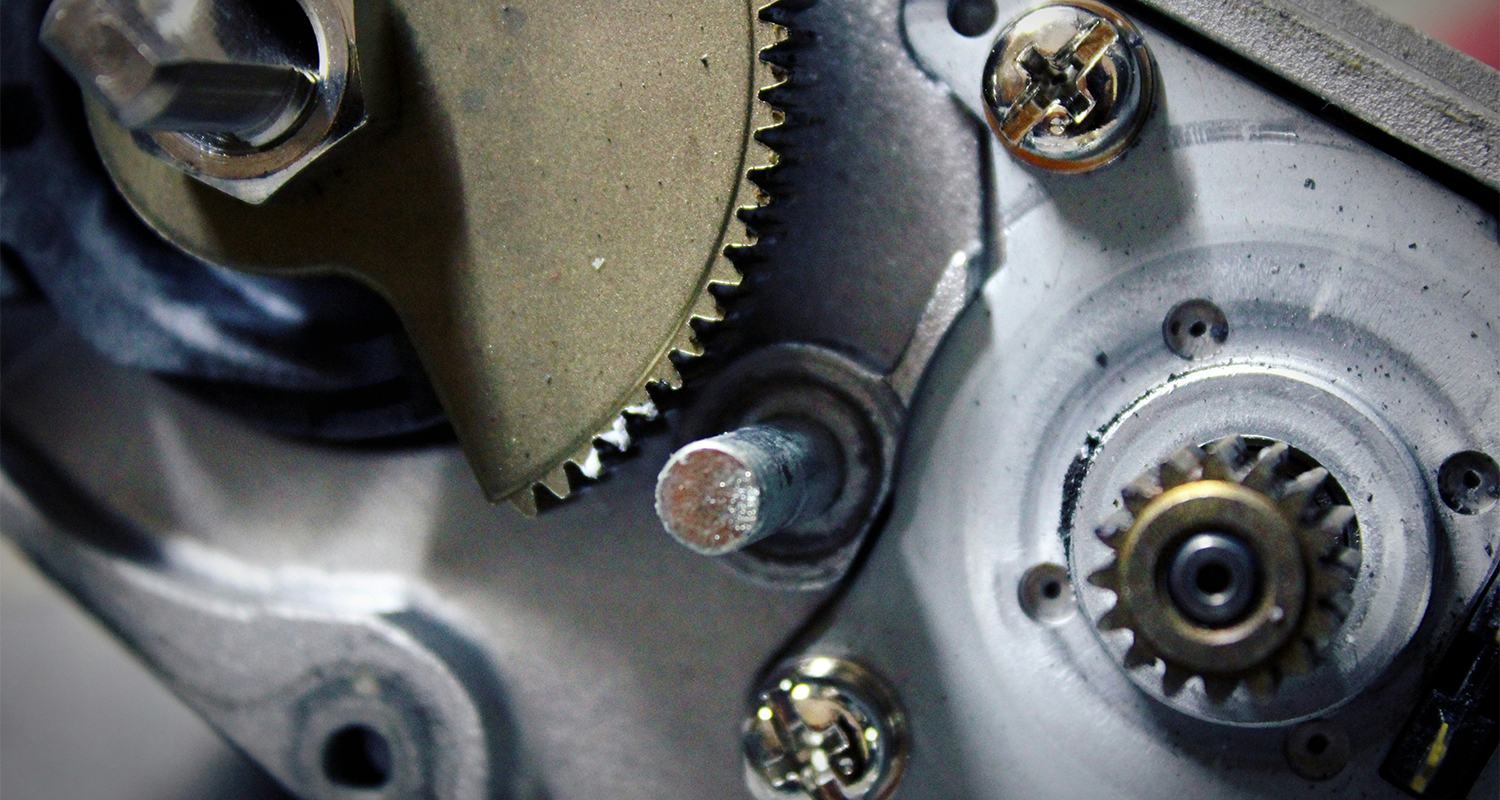
Transmission systems need parts that work together with high accuracy and stable performance. From gears and shafts to housings and other mechanical components, each part affects how power moves through the system.
For OEM manufacturers and industrial equipment makers, standard components may not always fit the design. That is why custom transmission parts are often a better choice. With the right manufacturing process, custom parts can match specific dimensions, materials, load needs, and assembly requirements.
Xhiontech provides custom CNC machining and precision metal parts for automotive, robotics, automation, and industrial machinery applications. Its manufacturing capabilities support both prototype development and production orders.
Why Custom Transmission Parts Matter for OEM Equipment
OEM equipment often has unique designs. As a result, standard parts may require extra changes or may not provide the required fit.
Custom transmission parts are made according to drawings, samples, or technical specifications. This allows manufacturers to control important details such as:
· Part dimensions
· Hole positions
· Gear or shaft geometry
· Material selection
· Surface finish
· Tolerance requirements
· Assembly fit
In addition, custom manufacturing can help reduce problems during final assembly. When parts for transmission systems are made to the correct specifications, components can work together more smoothly.
For industrial equipment, this is especially important because transmission components may operate under continuous load, vibration, friction, and changing temperatures.
Common Types of Parts for Transmission Systems
Transmission assemblies can contain many different precision components. The exact design depends on the equipment and application.
Common transmission parts include:
Gears and Gear Components
Gears transfer torque and control speed. Their dimensions and mating surfaces must be produced accurately to support smooth operation.
Custom gear-related components can be made for different transmission designs and mechanical systems.
Shafts and Axles
Transmission shafts transfer rotational force between components. They may require precise diameters, keyways, threads, grooves, and other features.
For this reason, CNC turning and milling can be useful for producing shafts with consistent dimensions.
Housings and Structural Components
Transmission housings hold internal components in position. They often include mounting holes, bearing seats, channels, and other complex features.
For complex housings, multi-axis machining can reduce the need for repeated setups and help maintain dimensional consistency.
Bushings, Spacers, and Other Precision Parts
Small components can also affect the performance of a transmission system. Bushings, spacers, retainers, and mounting components must match the assembly correctly.
Therefore, these parts are often manufactured according to detailed OEM drawings.
CNC Machining for Custom Transmission Parts
CNC machining is a practical manufacturing method for many custom transmission components. It can produce complex shapes while maintaining repeatable dimensions.
Depending on the part design, manufacturers may use CNC turning, milling, or five-axis machining.
Five-axis machining is particularly useful when a transmission component has multiple angled surfaces or complex geometries. It can reduce the number of setups and help lower positioning errors.
Xhiontech specializes in high-precision five-axis CNC machining and supports custom non-standard parts. Its factory uses multiple machining machines and precision inspection equipment, including Hexagon CMM measurement for critical dimensions.
Choosing Materials for Transmission Components
Material selection depends on the working conditions of the transmission part.
For example, aluminum can be useful when low weight and corrosion resistance are important. Xhiontech provides CNC-machined aluminum components using grades such as 6061, 6063, and 7075. These materials offer a balance of strength, machinability, and weight.
Steel is another common option for parts that require higher hardness or wear resistance. Xhiontech also produces S136 steel parts for demanding industrial applications, with options for surface finishing and strict dimensional inspection.
Brass can also be selected for certain mechanical components. Xhiontech's H62 brass parts are produced for complex geometries and can reach tight tolerances down to ±0.01 mm.
The best material should therefore be selected according to load, speed, environment, wear, weight, and production cost rather than price alone.
Xhiontech Custom Transmission Parts Solution
Xhiontech supports OEM customers from engineering review through production. Before machining begins, the engineering team can review drawings and provide machining feedback. This helps identify potential manufacturing issues before production.
The company supports both low-volume and production orders. This makes the process suitable for projects that start with prototypes and later move into larger production runs.
Its broader manufacturing services also include casting, forging, 3D printing, surface treatment, and heat treatment. As a result, customers can select a suitable production route based on the part design and project needs.
Case-Based Solution for Complex Industrial Components
A useful example is the type of complex metal component used in industrial machinery and automation equipment. Such parts may combine multiple surfaces, mounting points, holes, and tight-tolerance features.
For these projects, Xhiontech's five-axis CNC machining can help complete complex geometries with fewer setups. Its quality process also includes inspection of critical dimensions using CMM equipment. This approach helps maintain consistency between prototype parts and production batches.
The same manufacturing approach can be applied to custom transmission components where dimensional accuracy and repeatability are important.
Quality Control for Transmission Parts Suppliers
Quality control is a key factor when choosing transmission parts suppliers. A part that looks correct may still cause assembly problems if critical dimensions are outside the required range.
A reliable supplier should control quality from material selection through final inspection.
Important checks may include:
· Raw material verification
· Dimensional inspection
· Critical tolerance checks
· Surface quality inspection
· Thread and hole measurement
· First-piece inspection
· Final batch inspection
Xhiontech states that it uses strict quality inspection across prototypes and production, with CMM inspection available for critical dimensions.
This level of process control is useful for OEM buyers who need stable parts across repeated orders.
How to Choose the Right Transmission Parts Supplier
When comparing transmission parts suppliers, consider more than the quoted unit price.
First, check whether the supplier has experience with precision CNC machining and complex components. Next, review its material and finishing capabilities. It is also important to confirm inspection methods and production capacity.
Communication is another key point. A supplier that reviews drawings before production can help identify problems early. This can reduce rework and avoid delays later.
For OEM projects, it is also useful to choose a supplier that can support both prototypes and mass production. This makes it easier to keep the same manufacturing partner as the product develops.
From Prototype to Production
Custom transmission parts often begin with a prototype. At this stage, manufacturers can verify dimensions, assembly fit, material choice, and overall function.
After testing, the design may move into small-batch production and then larger orders.
Xhiontech supports this full path, from drawing review and prototyping to low-volume and mass production. Its manufacturing services are designed to provide consistent parts as order volumes increase.
This approach can help OEM manufacturers reduce supplier changes and maintain better control over product quality.
Conclusion
Custom transmission parts provide OEM and industrial equipment manufacturers with greater control over fit, materials, dimensions, and performance. From gears and shafts to housings and smaller precision components, each part can be manufactured around the needs of the final system.
CNC machining is well suited to many of these applications because it supports complex geometries, tight tolerances, and repeatable production. However, the manufacturing partner is equally important.
Xhiontech combines five-axis CNC machining, engineering support, precision inspection, and flexible production for custom industrial components. For companies looking for reliable parts for transmission systems, this integrated approach can support projects from prototype development to production.


