
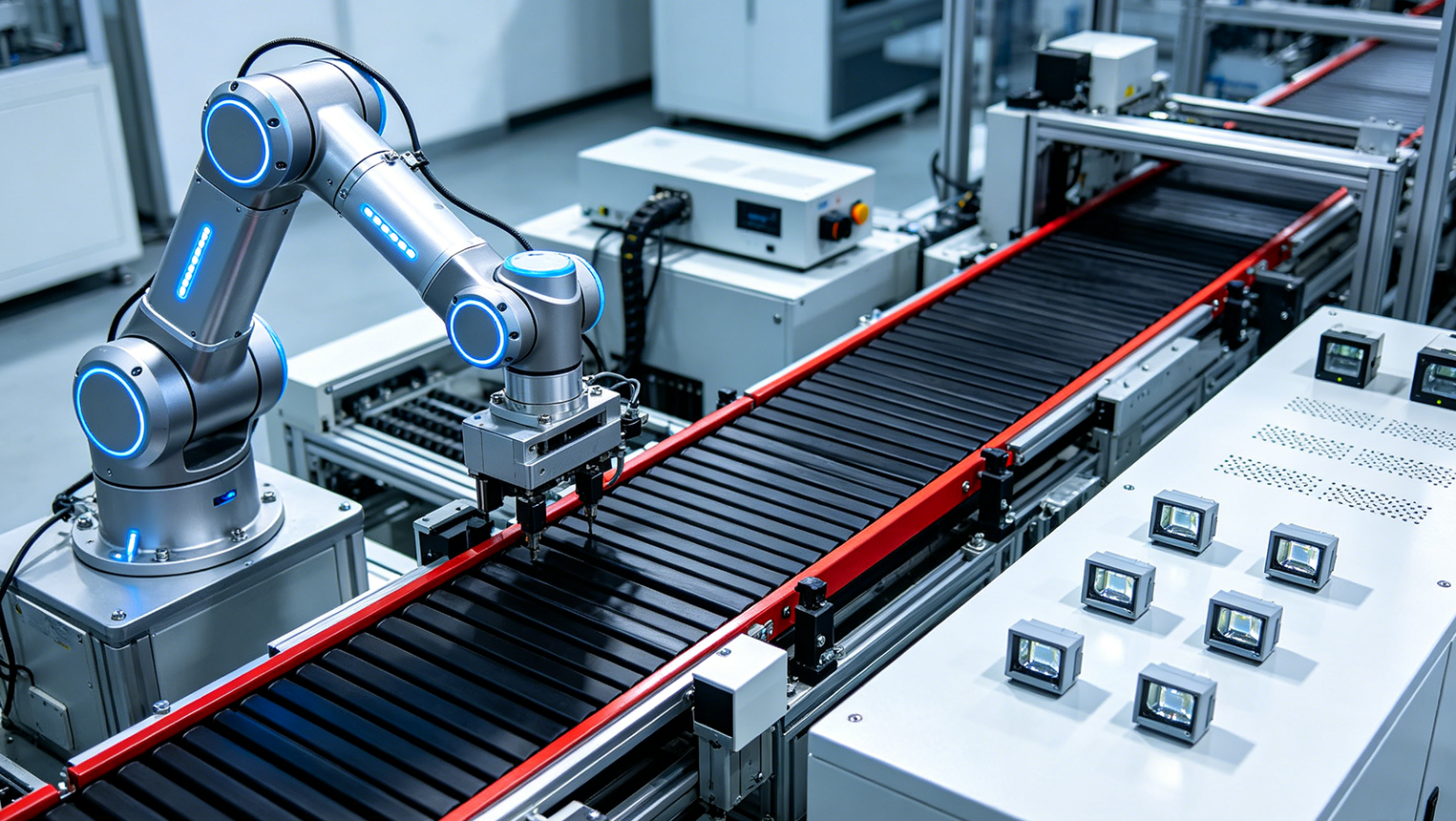
In today’s fast-changing manufacturing world, factories need to produce more products in less time while keeping quality stable. Because of this, more companies are investing in automation equipment. From automotive production to electronics manufacturing, automation has become a key part of modern factories.
Automation equipment helps businesses reduce manual work, improve production speed, and lower operating costs. At the same time, it also improves product consistency and workplace safety. Therefore, many manufacturers are now moving toward smart factory systems.
As a professional precision manufacturing company, xhiontech provides high-quality automation components and precision machining solutions for industrial automation applications.
What Is Automation Equipment in Modern Factories?
Automation equipment refers to machines and systems that perform tasks with little or no human help. These systems use sensors, motors, controllers, and software to complete production processes automatically.
Common automation equipment includes:
- Robotic arms
- Conveyor systems
- CNC machining equipment
- Automated assembly lines
- Industrial sensors
- Precision metal components
- Smart control systems
Today, automation equipment is widely used in industries such as automotive, electronics, aerospace, medical devices, and semiconductor manufacturing.
How Automation Equipment Improves Factory Efficiency
Automation equipment improves factory performance in several important ways. Below are the biggest benefits for modern manufacturers.
Automation Equipment Increases Production Speed
One major advantage of automation equipment is faster production.
Machines can work continuously without breaks, fatigue, or shift changes. As a result, factories can produce more products in less time. In addition, automated systems can repeat the same process with high precision and stable speed.
For example, automated conveyor systems and robotic arms can move materials quickly between workstations. This reduces waiting time and improves workflow efficiency.
Therefore, manufacturers can meet larger production demands while maintaining stable output.
Automation Equipment Reduces Labor Costs
Labor costs continue to rise in many countries. Because of this, companies are looking for smarter production methods.
Automation equipment helps reduce the need for repetitive manual work. Workers can then focus on higher-value tasks such as equipment monitoring, quality control, and process management.
Although automation requires an initial investment, it often lowers long-term operating costs. Over time, factories can improve productivity while reducing labor expenses.
Automation Equipment Improves Product Quality
Consistent quality is very important in manufacturing. However, manual operations can sometimes cause errors or product differences.
Automation equipment solves this problem by performing tasks with high precision and repeat accuracy. CNC automation systems, robotic assembly machines, and automated inspection systems can all help maintain product consistency.
This is especially important for industries with strict tolerance requirements, such as aerospace, medical equipment, and electronics manufacturing.
xhiontech specializes in precision machining and automation hardware components that support high-accuracy industrial applications.
Automation Equipment Reduces Production Downtime
Unexpected downtime can cause major production losses. Fortunately, modern automation systems help reduce equipment failures and maintenance problems.
Smart automation equipment can monitor machine performance in real time. If a problem appears, the system can send alerts before serious damage happens.
As a result, factories can perform preventive maintenance and reduce costly shutdowns.
In addition, automated systems improve workflow organization, which further reduces production delays.
Automation Equipment Improves Workplace Safety
Factory safety is another important benefit of automation equipment.
Some manufacturing tasks involve heavy lifting, high temperatures, sharp tools, or dangerous chemicals. Automation systems can handle these risky jobs instead of human workers.
For example:
- Robotic arms can move heavy materials
- Automated welding systems reduce worker exposure
- Conveyor systems minimize manual transportation
- Smart sensors help prevent accidents
Because of this, factories can create safer working environments while reducing injury risks.
Automation Equipment Supports Smart Factory Development
Industry 4.0 is changing the future of manufacturing. Smart factories now use automation, data analysis, and connected systems to improve production efficiency.
Modern automation equipment can connect with:
- IoT systems
- AI-based monitoring
- Real-time production tracking
- Cloud manufacturing platforms
- Smart inventory systems
These technologies help factories make faster decisions and optimize production performance.
As global competition increases, smart manufacturing is becoming more important for long-term business growth.
Why Precision Components Matter in Automation Equipment
High-quality automation systems depend on precision components. Even small mechanical parts can affect machine performance and stability.
Precision metal components help ensure:
- Accurate movement
- Stable machine operation
- Longer equipment life
- Reduced vibration
- Better assembly accuracy
This is why manufacturers need reliable machining partners for automation projects.
xhiontech provides precision CNC machining services and custom automation hardware components for various industrial applications. Their products are widely used in high-end automation equipment and advanced manufacturing systems.
Industries That Benefit from Automation Equipment
Automation equipment is now used across many industries because of its efficiency advantages.
Automotive Manufacturing
Automation improves welding, assembly, painting, and material handling processes.
Electronics Industry
Automated systems help produce small and complex electronic components with high precision.
Medical Device Manufacturing
Automation ensures clean, accurate, and consistent production for medical equipment.
Aerospace Industry
High-precision automation systems support complex aerospace component manufacturing.
Semiconductor Industry
Automation helps maintain ultra-precise production environments for semiconductor equipment.
How to Choose the Right Automation Equipment
Choosing the right automation equipment depends on several factors.
Manufacturers should consider:
- Production volume
- Product complexity
- Factory space
- Precision requirements
- Budget
- Future expansion plans
In addition, it is important to work with experienced automation component suppliers that can provide reliable machining quality and technical support.
Why Choose xhiontech for Automation Equipment Components
xhiontech focuses on precision machining and industrial automation hardware solutions. The company provides high-quality custom metal parts for advanced manufacturing equipment.
Key advantages include:
- Advanced CNC machining technology
- High precision manufacturing
- Stable product quality
- Custom automation component solutions
- Support for multiple industries
- Experienced engineering team
Their automation-related products are widely used in robotics, industrial machinery, semiconductor equipment, and smart manufacturing systems.
Conclusion
Automation equipment plays a critical role in improving factory efficiency. It helps manufacturers increase production speed, reduce labor costs, improve product quality, and enhance workplace safety.
At the same time, automation supports the development of smart factories and Industry 4.0 manufacturing systems.
As manufacturing technology continues to advance, more companies will invest in automated production solutions to stay competitive in the global market.
With professional precision machining capabilities and automation component expertise,xhiontech provides reliable solutions for modern industrial automation applications.


