CNC Turning Parts in Modern Industries: Applications, Benefits & Emerging Manufacturing Trends
Explore how CNC Turning Parts support modern industries. Learn about key applications, manufacturing benefits, material options, precision control, and emerging trends.
2026/11/17
Reading volume: 0
News Details
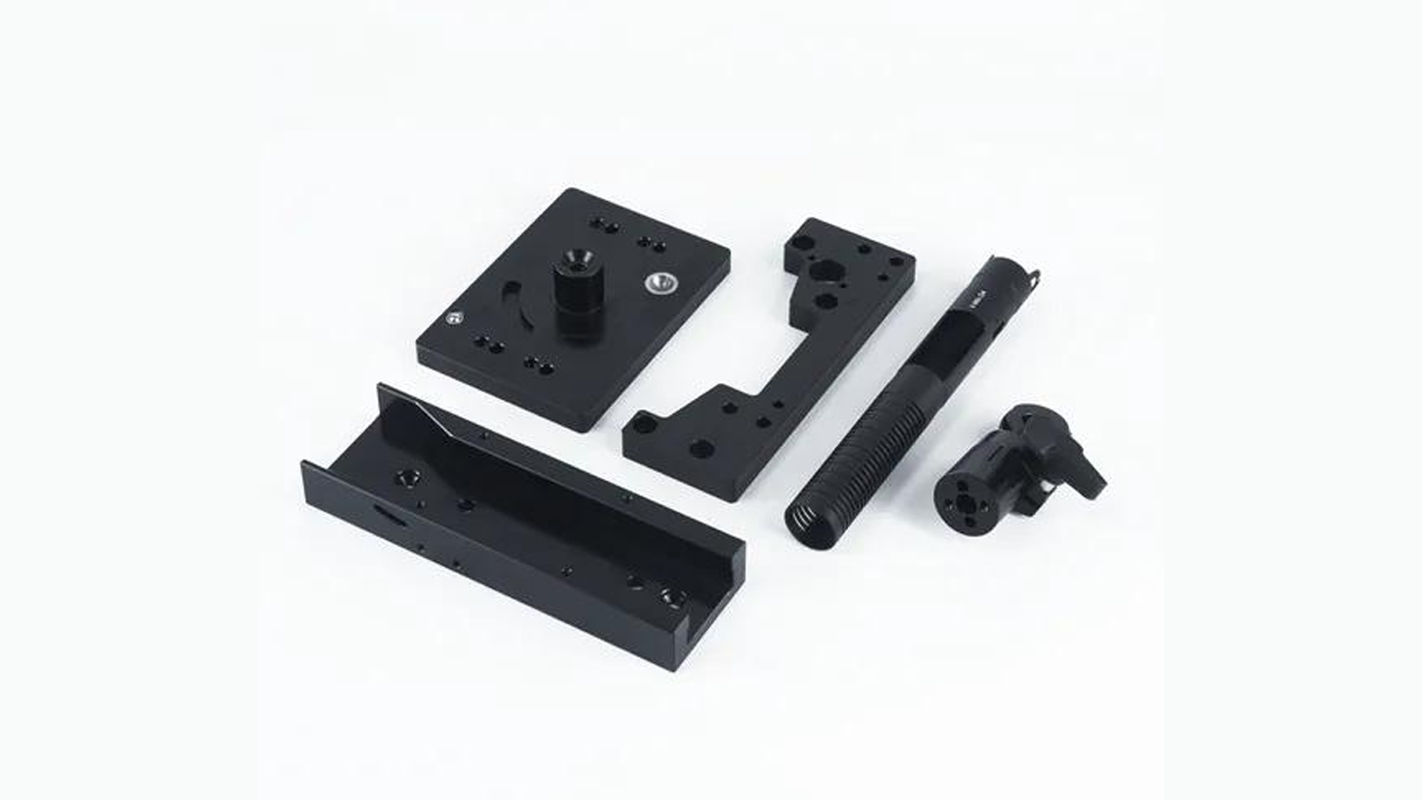
Modern industries need parts that are accurate, strong, and reliable. From automotive systems to robotics, even a small component can affect the performance of an entire machine. This is why CNC Turning Parts play an important role in modern manufacturing.
CNC turning uses computer-controlled machines to cut and shape rotating workpieces. It is widely used to make shafts, pins, bushings, sleeves, threaded parts, and other components with round or complex profiles. In addition, advanced CNC equipment helps manufacturers produce parts with stable dimensions and repeatable quality.
For industrial buyers, choosing the right manufacturer is just as important as choosing the right machining process. A capable supplier should offer suitable equipment, material options, quality checks, and engineering support.
How CNC Turning Parts Support Modern Industries
CNC Turning Parts are used in many industries because they can meet different size, shape, and performance needs.
-
Automotive: Shafts, connectors, bushings, and other precision components help support vehicle assemblies and mechanical systems.
-
Robotics: Pins, joints, shafts, and custom fittings help robotic systems move accurately and smoothly.
-
Industrial machinery: Rotating parts, threaded components, and mechanical connectors support stable machine operation.
-
Automation equipment: Precision turned parts help ensure proper alignment and reliable movement.
-
Electronics and instruments: Small metal housings, connectors, and fittings provide accurate assembly and support.
As equipment becomes more compact and complex, manufacturers must also handle tighter dimensions and more detailed designs. Therefore, flexible CNC machining capability is becoming increasingly important.
Key Benefits of CNC Turning Parts
CNC turning offers several benefits for industrial component production.
High dimensional accuracy
Computer-controlled cutting helps produce parts that follow the required drawing dimensions. This is especially important for shafts, holes, threads, and mating surfaces.
Consistent production quality
Once the machining process is properly set, the same program can be used to produce repeat parts. As a result, manufacturers can reduce manual variation and improve batch consistency.
Flexible design options
CNC turning supports different diameters, lengths, grooves, threads, and other features. When combined with CNC milling, it can also support parts with more complex shapes.
Efficient material use
A suitable cutting plan helps reduce unnecessary machining and material waste. It can also improve production efficiency.
Support for custom orders
Manufacturers can produce parts based on customer drawings, samples, or 3D models. This makes CNC turning useful for both new product development and replacement components.
Materials Used for CNC Turning Parts
Material selection affects strength, weight, corrosion resistance, wear performance, and cost. Therefore, manufacturers should understand the working conditions of each part before production.
Common material options include:
-
Aluminum alloys: Lightweight and easy to machine. They are suitable for automotive, robotics, electronics, and general industrial components.
-
Stainless steel: Offers good strength and corrosion resistance. It is useful for parts exposed to moisture or demanding environments.
-
Carbon and alloy steel: Suitable for components that need strength, hardness, or wear resistance.
-
Brass: Offers good machinability and is often used for fittings, connectors, and small mechanical parts.
-
Engineering plastics: Useful when low weight, electrical insulation, or special chemical properties are required.
A reliable manufacturer should help customers compare material options based on the part's function, operating environment, and budget.
What to Look for in a CNC Turning Parts Manufacturer
A good manufacturer does more than operate CNC machines. It should manage the full process, from drawing review to final inspection.
Machining equipment and technical skills
Check whether the supplier has suitable CNC turning and milling equipment. For complex parts, multi-axis machining can help reduce repeated setups and improve the relationship between different features.
Engineering support
Before production, engineers should review drawings, dimensions, materials, and tolerances. This helps identify design or machining issues early and can reduce delays.
Quality inspection
A professional inspection process should check critical dimensions and confirm that finished parts meet the approved specifications. Depending on the project, this may include precision measuring tools and coordinate measuring machines (CMM).
Material and surface treatment options
A capable supplier should offer suitable material choices and finishing services. Common options include anodizing, polishing, sandblasting, coating, and heat treatment coordination.
Flexible production capacity
Some projects start with a few prototypes and later move to regular production. Working with a manufacturer that supports different order sizes can make this transition easier.
Emerging Trends in CNC Turning and Precision Manufacturing
CNC manufacturing continues to develop as industrial products become more advanced.
Greater use of multi-axis machining
Multi-axis equipment can process more features in fewer setups. This is useful for parts with angled surfaces, complex profiles, or features on several sides.
More attention to inspection data
Manufacturers are placing greater focus on measurement, process checks, and clear inspection records. These steps help control quality and improve repeat orders.
More customized components
Standard parts cannot meet every design requirement. As a result, custom machining based on CAD drawings and 3D models is becoming more common.
Integrated manufacturing services
Customers increasingly look for suppliers that can coordinate machining with casting, forging, 3D printing, and surface treatment. This can simplify sourcing and project management.
XhionTech: Custom CNC Manufacturing for Industrial Applications
XhionTech provides custom CNC machining and non-standard components for automotive, robotics, automation, and industrial machinery applications. Its manufacturing services include CNC turning and milling, 3-axis and 5-axis machining, as well as support for projects from prototypes to production orders.
The company lists 40 machining machines and 11 inspection instruments, including a Hexagon CMM. It also offers engineering support, drawing review, material selection, and quality inspection.
Its material options include aluminum alloys, brass, steel, and engineering plastics. In addition, customers can discuss surface treatment, heat treatment, casting, forging, and 3D printing based on project needs.
XhionTech Manufacturing Examples
Aluminum thigh rods and secondary rods
XhionTech features aluminum structural components with sandblasted natural anodized finishes. These parts are designed for industrial machinery and automation systems. The secondary rod listing also specifies CMM inspection, showing the role of dimensional checks in precision component production.
AL6061 Z-axis integrated base
This component is designed as a mounting support for the Z-axis motion assembly of industrial printing equipment. Made from AL6061 aluminum, it balances low weight with structural rigidity. Key mating surfaces require careful geometric control, while black anodizing adds wear and corrosion protection.
Custom transmission components
XhionTech also presents custom transmission parts for automotive and industrial applications. These components may require accurate dimensions, suitable materials, and careful inspection to support reliable assembly and operation.
These examples show how custom CNC manufacturing can support different industrial needs. For each project, the machining method, material, finish, and inspection plan should match the part's actual function.
Build Reliable Industrial Components with the Right Manufacturing Partner
CNC Turning Parts help modern industries produce accurate and dependable mechanical components. Their applications range from automotive systems and robotics to automation equipment and industrial machinery.
However, good results depend on more than the machine itself. Material knowledge, engineering review, process control, and final inspection all matter. By working with an experienced custom machining supplier, buyers can improve part quality and manage production needs more effectively.
XhionTech supports custom CNC machining projects with a range of equipment, materials, and manufacturing services. Visit XhionTech to explore its capabilities or discuss your project requirements.
Share to:


