OEM Project Solution Custom AI Robot Parts Manufacturer
News Details
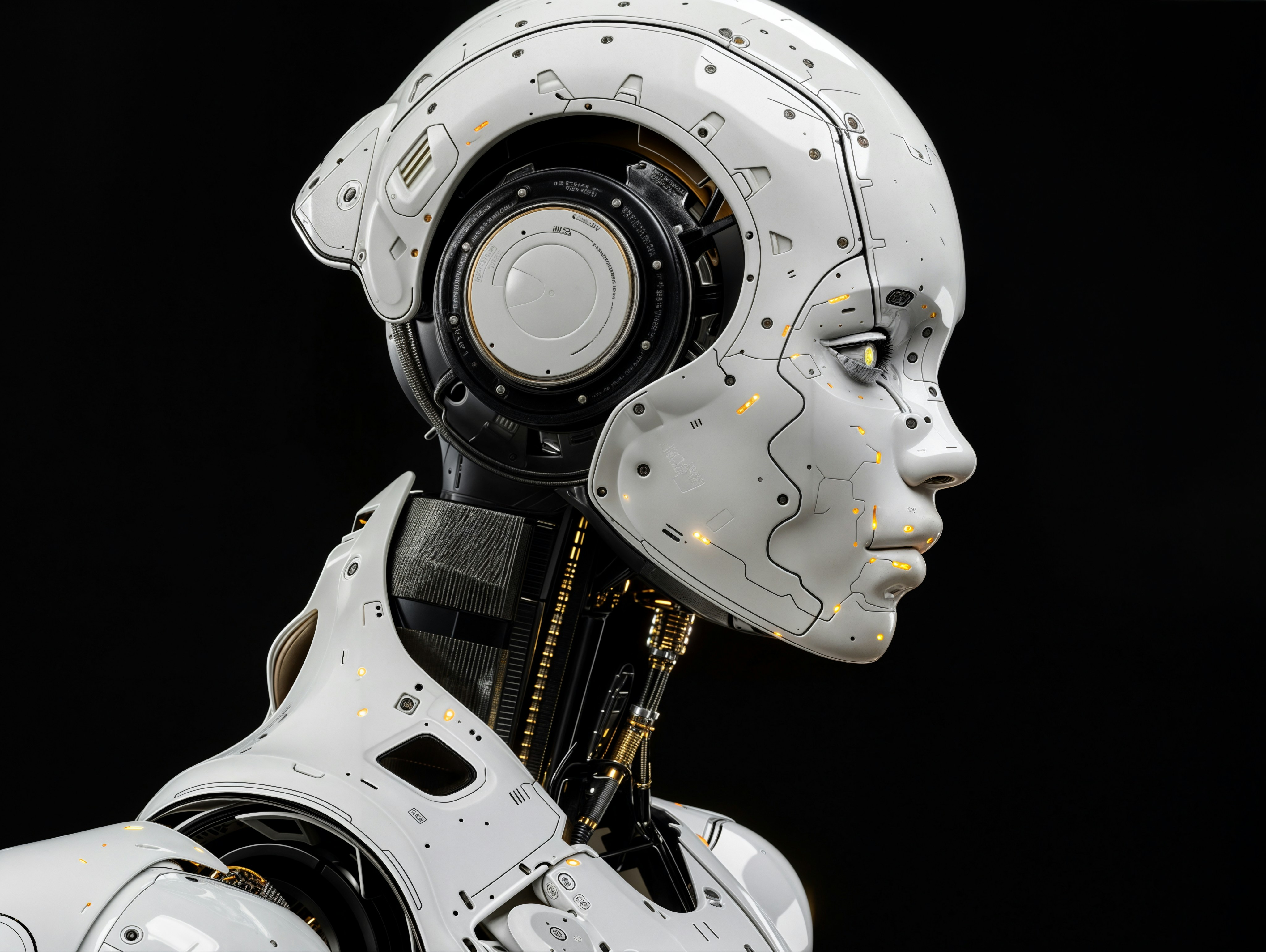
AI robots are transforming operations in factories, hospitals, warehouses, and various industries. Beyond intelligent software, these robots rely on dependable mechanical components, precise optical parts, and robust structures to ensure consistent performance.
For OEM projects, selecting the appropriate custom AI robot parts manufacturer is a critical decision. Robots may have unique size constraints, motion requirements, sensor arrangements, and environmental conditions, making standard components often inadequate.
Custom manufacturing bridges this gap by bringing designs to life. Services such as CNC machining, material selection, and precision inspection enable the production of tailored robot parts for diverse applications.
Why Custom Parts Are Essential for AI Robots in OEM Projects
Why Custom Parts Are Essential for AI Robots in OEM ProjectsAI robots integrate cameras, sensors, motors, control systems, and mechanical structures that must function cohesively. Even minor dimensional discrepancies can disrupt assembly, movement, or sensor accuracy.
Custom robot parts allow OEM teams to address specific design needs. For instance, robotic arms may require lightweight metal joints, while mobile robots might need compact enclosures for cameras and sensors.
Custom parts offer several key advantages:
- Perfect Fit: Components can be precisely engineered to match original design dimensions and mounting points.
- Reliable Performance: Controlled machining and inspection ensure consistent part dimensions.
- Material Flexibility: Aluminum, stainless steel, and other materials can be selected based on strength and weight requirements.
- Support for Innovation: Custom production enables engineers to develop parts for cutting-edge robot models.
- Streamlined Assembly: Accurate holes, slots, and contact surfaces reduce fitting issues during assembly.
Early collaboration between OEM teams and manufacturers can also help identify and resolve design challenges before mass production.
Key AI Robot Parts Requiring Precision Manufacturing
While AI robots vary in design, many require precision-machined components to support movement, sensing, and system integration.
Robot Frames and Structural Components
Robot frames provide support for motors, sensors, circuit boards, and other parts. These components must offer adequate strength and stiffness to withstand operational loads.
CNC machining enables the production of custom frames, brackets, mounting plates, and support structures based on technical drawings. Aluminum is often preferred for lightweight applications, while stainless steel may be used for parts needing enhanced corrosion resistance.
Robot Joints and Motion Components
Robot joints control movement and positioning, requiring precise alignment of mounting surfaces, holes, and connection points.
Precision-machined joint housings and motor brackets help OEM teams develop compact and stable robot systems. Manufacturers can adjust materials, shapes, and machining methods to meet specific application requirements.
Sensor Housings and Camera Mounts
AI robots rely on cameras and sensors for object recognition, sign reading, product inspection, and navigation. These systems need secure mounting points and protective enclosures.
Custom camera mounts and sensor brackets ensure optimal positioning of devices. Well-designed housings can also protect sensitive components from dust, impact, and other environmental factors when materials and designs are appropriately selected.
Custom Parts for Robot Control Systems
Control systems may require compact enclosures, connector supports, heat-dissipating structures, and internal mounting components. These parts must fit within available space while allowing for assembly and maintenance access.
Custom manufacturing enables OEM teams to optimize internal component placement while maintaining a compact overall robot design.
The Role of CNC Machining in Custom AI Robot Parts
CNC machining is a versatile method for producing custom robot parts, using digital design files to precisely cut materials into desired shapes. It accommodates both simple and complex components with multiple surfaces, holes, and slots.
Common CNC-machined parts for AI robot OEM projects include:
- Robot frames and structural brackets
- Motor housings and joint supports
- Camera mounts and sensor holders
- Precision shafts and connector components
- Aluminum enclosures and mounting plates
For complex designs, 5-axis CNC machining allows for the processing of multiple surfaces with fewer setups, reducing repeated positioning and ensuring dimensional consistency.
Xhiontech provides precision CNC machining and custom parts based on customer drawings, samples, and specifications. Its services include prototyping, low-volume production, and mass manufacturing, along with engineering review, surface finishing, and dimensional inspection to support various project stages.
These services assist OEM teams in transitioning from initial robot designs to production-ready components.
Camera Optical Instrument Parts for AI Robots
Vision systems are integral to many AI robots, enabling object identification, product inspection, motion tracking, and environmental adaptation. A camera system requires more than just a lens and image sensor; it needs mechanical components to hold these elements in precise alignment.
Custom camera optical instrument parts address the unique requirements of different robot designs.
Common components include:
- Camera housings
- Lens holders and mounting rings
- Sensor brackets
- Optical mounting plates
- Protective covers
- Precision frames and supports
For example, a robotic inspection system may use a camera to examine product surfaces on a production line. The camera mount must align with the robot structure and maintain the camera's position. A custom-machined bracket can provide necessary mounting points while fitting within available space.
Aluminum is often used for camera mounts due to its lightweight and machinability. Stainless steel may be preferred for applications requiring greater strength or corrosion resistance.
Xhiontech's custom optical instrument machining capabilities support the production of camera mounts, housings, brackets, and other precision mechanical components for OEM equipment.
Types of Optical Devices in AI Robotics
AI robots use various optical devices based on their tasks, each with specific mounting, protection, and alignment requirements.
Industrial Cameras and Machine Vision Systems
Industrial cameras enable robots to inspect products, read codes, and recognize objects. Their mechanical components must ensure stable installation and seamless integration with the robot or production equipment.
Custom camera housings, brackets, and mounting plates facilitate the integration of vision systems into compact robot designs.
Depth Cameras and 3D Vision Devices
Depth cameras and 3D vision systems help robots estimate distances, understand object shapes, and navigate workspaces. These devices often require custom holders to maintain secure positioning while aligning with the robot's overall structure.
Laser Sensors and Optical Measurement Devices
Laser sensors and optical measurement tools assist robots in distance measurement, dimension checking, and precise movement guidance. Their mounts and support components must match equipment designs and measurement requirements.
Microscopes and Optical Inspection Devices
Some robotic systems integrate microscopes or other optical inspection tools, requiring compact support frames, adjustable holders, and precision mounting components.
For all optical devices, mechanical designs must align with application needs. Manufacturers should review critical dimensions, mounting points, material requirements, and inspection criteria before production.
Materials and Finishes for Custom Robot Parts
Material selection significantly impacts a part's weight, strength, wear resistance, and lifespan. It should be based on functional requirements rather than cost alone.
Aluminum Alloys
Aluminum alloys such as 6061, 6063, and 7075 are commonly used for robot frames, camera mounts, housings, and brackets, offering a balance of weight, strength, and machinability.
Xhiontech provides custom CNC-machined aluminum parts and surface treatments like anodizing based on project specifications.
Stainless Steel
Stainless steel is suitable for robot components requiring strength, durability, or corrosion resistance, such as shafts, connectors, mounting parts, and structural elements.
Engineering Plastics
For appropriate applications, engineering plastics can reduce weight and provide electrical insulation. Material choice depends on load, temperature, wear, and environmental conditions.
Surface Finishing
Surface treatments enhance appearance and performance, with options like anodizing, polishing, brushing, or coating based on material and application needs.
Finishes should not compromise critical dimensions or assembly fits. OEM teams should specify these requirements in technical drawings.
Xhiontech Solutions for AI Robot OEM Projects
Custom AI robot projects often involve design iterations before finalizing parts. A manufacturing partner should support design review, sample production, and scalable manufacturing.
Xhiontech specializes in precision CNC machining and non-standard custom parts for robotics, automation, automotive, and industrial machinery applications.
Its manufacturing services include:
- Custom CNC milling and turning
- 5-axis machining for complex components
- Metal and engineering plastic machining
- Engineering review and machining feedback
- Surface and heat treatment services
- Precision inspection
- Prototype and production support
Customers can provide CAD drawings, samples, or technical specifications. Pre-production engineering reviews help identify challenging features, unclear tolerances, and potential machining issues.
For example, an OEM team may require a custom aluminum robot bracket with angled surfaces, threaded holes, and camera mounting points. The manufacturer can review the drawing, select an appropriate machining method, and inspect the finished part against agreed specifications.
This example illustrates a typical manufacturing process, not a specific completed customer project. Final processes and achievable tolerances depend on part design and application.
Quality Control for Custom AI Robot Parts
Part quality directly impacts assembly, movement, and sensor positioning. Inspection should be integrated throughout manufacturing, not limited to final checks.
Key quality checks include:
- Overall dimensions and critical tolerances
- Hole positions and thread quality
- Flatness and surface finish
- Material compliance
- Assembly fit
- Batch-to-batch consistency
Mounting dimensions are particularly critical for parts holding cameras or sensors. Misaligned features may require additional adjustments during assembly.
Xhiontech offers dimensional inspection for custom CNC parts. Customers can confirm inspection methods and documentation requirements before production.
Clear drawings and agreed quality standards ensure both OEM teams and manufacturers understand acceptance criteria.
Selecting a Custom AI Robot Parts Manufacturer
When choosing a supplier, OEM buyers should evaluate technical capabilities, production capacity, and communication processes, not just unit price.
Key considerations include:
- Machining Capability: Verify the supplier's ability to produce required shapes, holes, and surface features.
- Material Options: Confirm availability of suitable metals or engineering plastics.
- Engineering Support: Look for clear drawing review and machining feedback processes.
- Quality Inspection: Understand how critical dimensions and batch consistency are verified.
- Production Flexibility: Ensure support for prototypes, small batches, and larger orders.
- Communication: Confirm efficient handling of technical queries, changes, and delivery requirements.
Provide complete project details when requesting quotes, including drawings, material specifications, tolerances, surface finishes, quantities, and delivery expectations. This helps manufacturers accurately assess requirements and develop suitable production plans.
Conclusion
Choosing the right custom AI robot parts manufacturer enables OEM teams to transform designs into reliable mechanical components. Precision CNC machining supports the production of robot frames, joint housings, sensor mounts, camera brackets, and other parts requiring specific shapes and dimensions.
Camera optical instrument components and other optical devices require robust mechanical support to maintain stable positioning within the overall robot system.
Xhiontech offers custom CNC machining, 5-axis machining, engineering review, surface finishing, and dimensional inspection for precision parts. Its support for prototypes and production orders helps OEM teams develop components for robotics, automation, and optical equipment.
By defining technical requirements early and partnering with a capable manufacturer, OEM customers can improve part fit, streamline assembly, and ensure consistent production.


