Custom AI Robot Parts for Precision Robotics
News Details
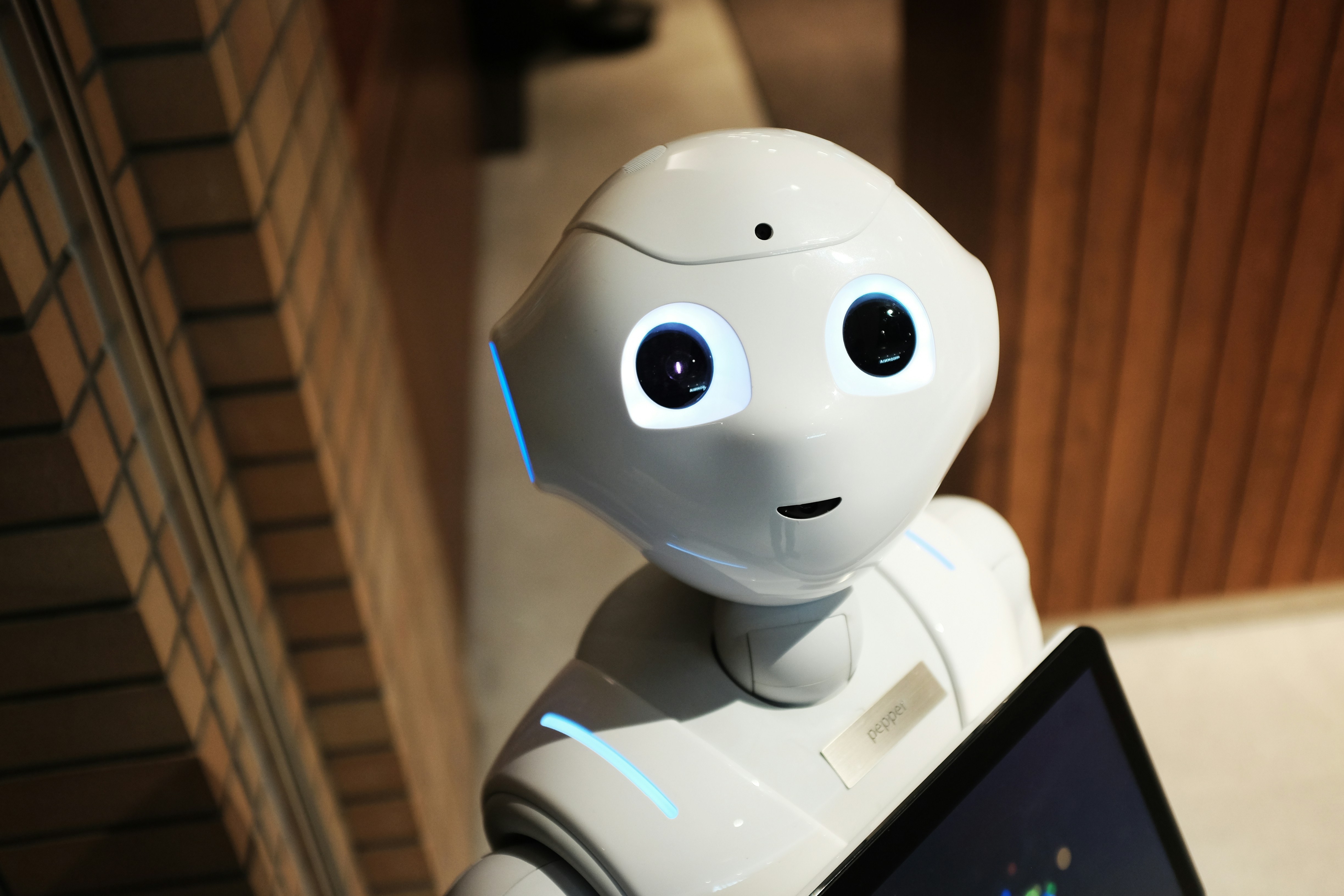
AI Robotic Parts Guide to Custom Precision Machining
AI robotic parts drive today's intelligent automation systems. With advances in artificial intelligence, robots can now recognize objects, follow commands, and handle complex tasks with better speed and accuracy than ever before. However, the performance of an AI robot depends not only on its software, but also on the quality, precision, and design of its mechanical components.
Custom AI robotic parts are essential for building robots that meet specific requirements in size, weight, strength, and accuracy. These components support robotic arms, machine vision systems, automated inspection devices, and intelligent manufacturing equipment.
For example, an AI-powered quality inspection robot may need stable camera mounts, precise metal housings, and carefully machined connectors. Similarly, an intelligent robotic arm may require lightweight structural components that can handle repeated movements without losing accuracy.
That is why choosing the right materials, machining methods, and manufacturing partner is essential. XHIONTECH supplies custom precision machining solutions for applications that require tight tolerances and parts tailored to specific robotic designs.Why Custom AI Robotic Parts Are Critical for Precision Robotics
AI robots are made up of sensors, cameras, control systems, motors, and moving components. Every part must work together smoothly. Even a small dimensional error can affect alignment, movement accuracy, or sensor performance.
Custom robotic parts provide several key advantages.
- Better fit: Parts are manufactured to match the exact design and assembly requirements of a specific robot.
- Higher precision: Accurate dimensions reduce assembly errors and unwanted movement.
- Lower weight: Lightweight materials and optimized designs reduce the load on robot joints and motors.
- Stable operation: High-quality components help maintain consistent performance during repeated use.
- Flexible design: Custom machining allows engineers to create complex shapes, special mounting features, and non-standard structures.
Custom manufacturing also gives robotics engineers greater control over the structure of the machine. This is especially important when standard parts cannot meet the demands of a new AI robotics project.
Common Custom Components Used in AI Robots
An AI robot may include many types of precision parts. Each component serves a specific purpose, from supporting movement to holding cameras and sensors in the correct position.
1. Robot Frames and Structural Parts
Robot frames provide the main support for the entire system. They hold motors, joints, sensors, and control units in place.
Custom CNC-machined frames and brackets help meet special size and strength requirements. Aluminum alloys such as 6061 and 7075 are commonly used when a balance between low weight and strength is needed.
2. Robot Joints and Motion Components
Robot joints control movement and allow the machine to reach specific positions. These parts may include mounting plates, shafts, housings, and connection components.
Joint components require accurate dimensions to reduce unwanted movement and support smooth operation. For complex joint structures, multi-axis CNC machining can create several features in fewer setups, improving consistency and precision.
3. Camera Mounts and Sensor Housings
AI robots often rely on cameras and sensors to recognize objects, track movement, and inspect products. Therefore, camera mounts and sensor housings are important parts of a machine vision system.
Custom parts can hold cameras and sensors in stable positions. Depending on the design, they can also protect sensitive components from impact, dust, and other environmental conditions.
4. End Effectors and Tool Mounts
End effectors are the parts that allow robots to grip, move, sort, or handle objects. Their design depends on the task the robot performs.
Custom gripper brackets, mounting plates, connectors, and tool holders help robots handle different object sizes and shapes. Accurate machining is especially important when the end effector must fit a specific tool or work with a precise motion system.
How Camera Optical Instruments Support AI Robotics
Machine vision is a key part of many AI robotics systems. Cameras capture images, while AI software analyzes them to identify objects, read codes, measure dimensions, or guide robotic movement.
However, a camera alone cannot guarantee accurate results. The mechanical parts around the camera must also provide stable support and correct alignment.
A custom camera optical instrument may include a lens holder, camera housing, sensor bracket, mounting frame, and adjustment components. These parts help keep the lens and image sensor in the required position.
For example, an AI inspection robot may use a camera to examine the surface of a metal product. If the camera mount moves or the mounting dimensions are incorrect, the captured images may shift or become unclear. Stable mechanical parts help the vision system work more consistently.XHIONTECH supplies custom optical instrument parts for cameras, imaging systems, and other precision equipment. Its CNC machining services support custom housings, brackets, mounting components, and other parts based on customer drawings or samples.
Types of Optical Devices Used in Robotics
Understanding the optical devices used in robotics helps engineers choose suitable components and mounting structures.
Industrial Cameras
Industrial cameras are used for automated inspection, object recognition, and position detection. Their housings and mounts must fit the robot's structure and working environment.
Depth Cameras and 3D Vision Systems
Depth cameras and 3D vision systems help robots estimate object distance, shape, and position. They are commonly used in picking, sorting, and navigation applications.
Custom brackets and housings help maintain stable sensor positioning and provide reliable mounting points.
Laser Measurement Devices
Laser measurement devices measure distance, detect surfaces, and support accurate positioning. Their mounting components may require precise holes, flat surfaces, and tightly controlled dimensions.
Optical Inspection Devices
Optical inspection devices use cameras, lenses, and lighting systems to check product quality. Custom frames, sensor mounts, and adjustment parts help keep these components aligned.
Although these devices have different functions, they all require suitable mechanical support. Precision-machined components connect the optical system to the robot's mechanical structure.
Choosing Materials for Custom AI Robotic Parts
Material selection affects the weight, strength, durability, and cost of robotic components. Engineers should consider the part's function before choosing a material.
Aluminum alloys:
Aluminum offers low weight, good machinability, and useful strength. It is commonly used for robot frames, camera mounts, sensor housings, and structural components.Stainless steel:
Stainless steel is a good choice for parts that need strength, wear resistance, or corrosion resistance. It may be used for shafts, connectors, and load-bearing components.Engineering plastics:
Some engineering plastics are suitable for lightweight covers, insulating parts, and components with specific friction or wear requirements. The exact grade should match the operating conditions.Brass:
Brass is easy to machine and useful for small fittings, bushings, and precision components. XHIONTECH provides custom CNC machining services for different metals and engineering plastics. The company also supports surface finishing and other manufacturing processes to meet project requirements. The final material choice should depend on load, temperature, wear, environment, and design needs.Why CNC Machining Is Suitable for Precision Robotics
CNC machining is widely used for custom AI robotic parts because it can produce accurate features and complex shapes from engineering drawings.
A robot component may require angled surfaces, threaded holes, recessed areas, and multiple mounting faces. With 5-axis CNC machining, several surfaces can be processed in fewer setups. This helps reduce positioning errors and improve part consistency.
CNC machining also supports design changes during product development. Engineers can test a prototype, review its fit, and update the design before ordering larger quantities.
XHIONTECH specializes in high-precision CNC machining and custom non-standard parts. Its services include engineering review, 5-axis machining, surface treatment, and dimensional inspection. The company supports projects from prototypes to production orders.
For robotics manufacturers, this approach simplifies the process of turning a design into a finished component.
XHIONTECH Custom Machining Solutions for AI Robotics
AI robotics projects often require parts that are not available as standard components. A manufacturer may need a special camera bracket, compact sensor housing, or lightweight frame that fits within a limited space.
XHIONTECH provides custom machining based on CAD drawings, samples, and technical specifications. Its experience with precision metal parts, optical instrument components, and automation equipment supports different stages of robotic product development.
A typical project may follow these steps:
- Drawing review: The engineering team reviews the part design, materials, tolerances, and machining requirements.
Quality Control for Custom Robotic Components
Precision robotic parts must fit the assembly and meet design requirements. Therefore, quality checks should be planned before production starts.
Important inspection points may include:
- Overall dimensions and tolerances
XHIONTECH uses precision inspection equipment, including coordinate measuring machines (CMMs), to verify critical dimensions. Customers should confirm the required inspection methods and reports when discussing a project.
How to Choose a Custom AI Robotic Parts Manufacturer
Before selecting a supplier, consider the technical needs of the robot and the supplier's manufacturing capabilities.
Look for a manufacturer that can:
- Produce parts from CAD drawings or samples
Clear drawings, marked critical dimensions, and agreed inspection standards help reduce delays and avoid unnecessary changes.
Conclusion
Custom AI robotic parts play a key role in precision robotics. From structural frames and motion components to camera mounts and sensor housings, every part must meet the needs of the complete system.
AI robots that use machine vision also depend on suitable mechanical parts to support cameras and different types of optical devices. Accurate mounting structures help maintain alignment and consistent operation.
With CNC machining, suitable materials, engineering review, and quality inspection, manufacturers can develop parts that match specific robotic designs.
supplies custom precision machining solutions for robotics, automation, and optical equipment, supporting projects from prototypes to production. For AI robotics developers, working with an experienced custom parts manufacturer helps turn complex designs into practical components that fit the system and meet its performance requirements.


