How to Choose a Custom Optical Instrument Parts Manufacturer?
News Details
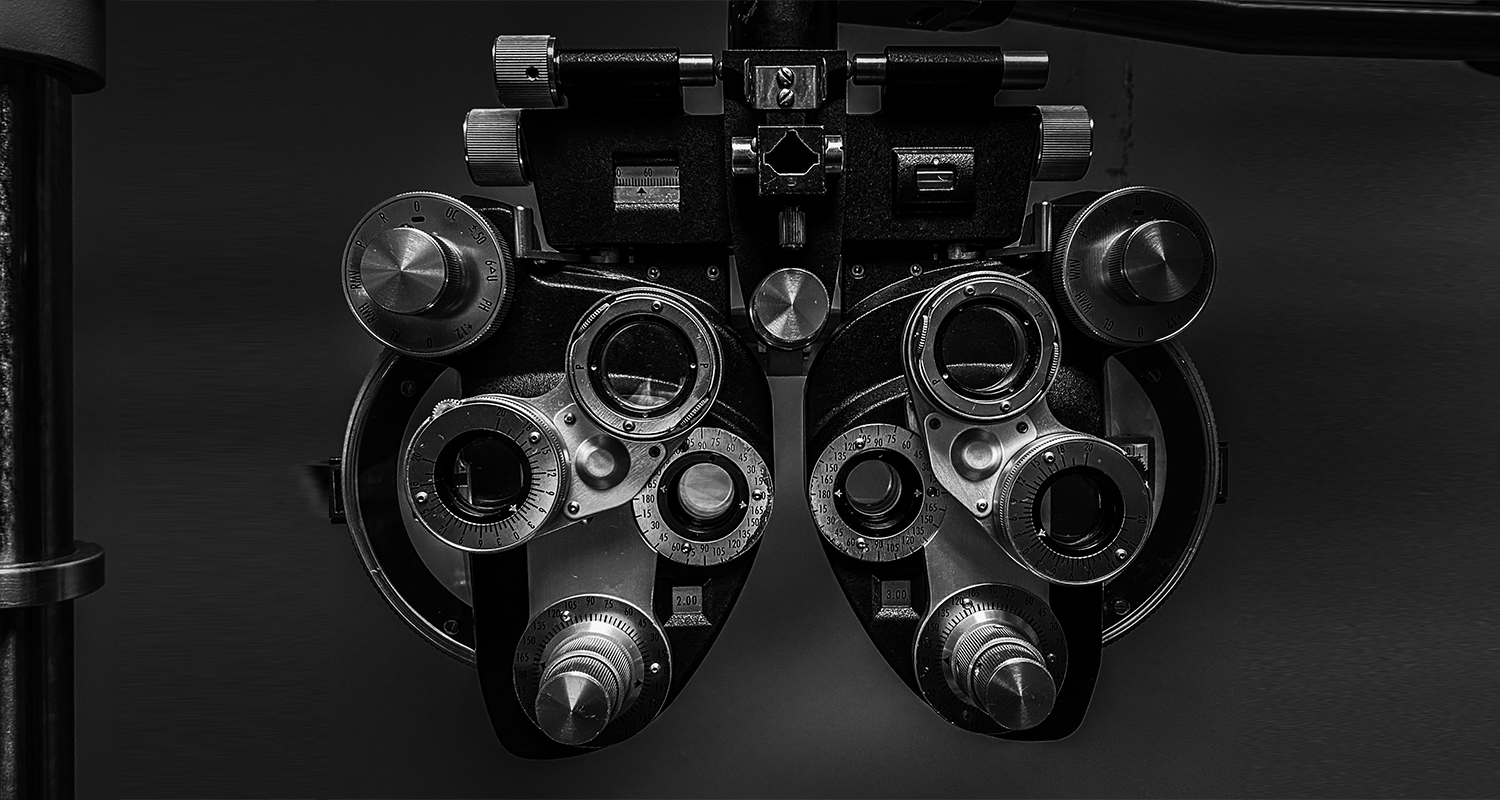
Choosing the right custom optical instrument parts manufacturer is important when your equipment depends on accurate movement, stable alignment, and consistent part quality. A small dimensional error in a precision component can affect the performance of the entire optical system.
Whether you are developing laboratory equipment, inspection systems, medical devices, or other optical equipment, the manufacturer should do more than simply machine parts. The right partner should understand your drawings, material needs, tolerance requirements, surface finish, and production goals.
This guide explains the key factors to consider when selecting a reliable manufacturer for custom optical instrument parts.
Understand Your Optical Equipment Parts Requirements
Before contacting manufacturers, clearly define what you need. Start with the part drawings, 3D models, materials, dimensions, tolerances, surface treatment, and expected order quantity.
Optical instrument parts may include:
· Lens holders
· Mounting brackets
· Adjustment components
· Precision housings
· Positioning parts
· Structural supports
· Custom frames
· Small mechanical assemblies
The requirements can vary greatly between different optical equipment applications. For example, a lens mounting component may need tight dimensional control, while a support frame may place greater focus on strength and weight.
It is also useful to identify the critical dimensions. This helps the manufacturer understand which areas require the most attention during machining and inspection.
Check Precision CNC Machining Capability
Precision is one of the first things to check when choosing a supplier. Optical systems often require parts that fit together accurately and maintain stable positioning during use.
A capable manufacturer should have suitable CNC milling and turning equipment. For more complex parts, 5-axis CNC machining can be especially useful because it can process multiple surfaces with fewer setups. This can help reduce positioning errors and improve consistency.
For example, Xhiontech provides 5-axis CNC machining for complex geometries and supports machining tolerances down to ±0.01 mm for suitable parts. Its production system also includes CMM inspection for critical dimensions.
This type of capability can be useful when producing precision components for optical equipment that require reliable assembly and repeatable dimensions.
Evaluate Materials for Optometric Supplies and Optical Parts
Material selection should match the working environment and function of the part.
Common choices for custom precision components include aluminum, stainless steel, brass, and engineering plastics. Each material offers different advantages.
For example, aluminum is useful when low weight and corrosion resistance are important. Stainless steel can be a better choice when strength, durability, or corrosion resistance is required. Brass can provide good machinability and is suitable for many mechanical components.
Xhiontech works with materials such as aluminum, stainless steel, brass, carbon steel, and engineering plastics. Its aluminum machining options include 6061, 6063, and 7075 alloys, with surface treatments such as anodizing, polishing, sandblasting, and coating.
When evaluating a supplier, ask whether it has experience with the exact material specified in your design. This can reduce the risk of material substitution or machining problems during production.
Review Quality Inspection Methods
Good machining equipment alone does not guarantee good parts. A reliable manufacturer should also have a clear inspection process.
For custom optical instrument parts, ask how the supplier checks:
· Critical dimensions
· Flatness and concentricity
· Hole positions
· Surface finish
· Material quality
· Final assembly fit
· Batch consistency
For demanding projects, CMM inspection can provide accurate dimensional measurement. Xhiontech lists CMM inspection for critical dimensions and has 11 inspection instruments alongside its machining equipment.
You can also ask for inspection reports, material certificates, or first-article inspection results when appropriate.
Look for Engineering Support
A good manufacturer should not simply receive your drawing and start cutting metal.
Instead, its engineering team should review the design before production. This can help identify machining difficulties, unnecessary tolerances, difficult features, or opportunities to simplify production.
For example, a supplier may suggest changing a feature so that it can be machined in fewer setups. This can improve consistency and reduce production cost without changing the function of the part.
Xhiontech provides drawing review and machining feedback before production. Its services cover the process from prototyping to mass production.
This engineering support is particularly useful when developing new optical equipment or custom optometric supplies.
Consider Prototype and Small-Batch Production
Not every optical component needs large-volume production from the beginning. New product development often starts with prototypes or small batches.
Therefore, check whether the manufacturer can support different production stages. A supplier that handles both prototypes and larger orders can make the transition to production easier.
Xhiontech supports low-volume orders as well as production quantities, allowing customers to move from early prototypes toward larger-scale manufacturing with the same supplier.
This approach can also reduce the need to qualify a second manufacturer when your product volume increases.
Check Surface Finishing Options
Surface treatment can affect both the appearance and performance of precision components.
Depending on the application, you may need anodizing, polishing, brushing, sandblasting, powder coating, or another finish. Some optical instrument parts may also require a smooth surface to support proper assembly or cleaning.
For example, Xhiontech offers several finishing options for aluminum parts, including anodizing, sandblasting, polishing, brushing, and custom coatings.
Before placing an order, confirm the required finish, color, roughness, and treatment thickness if these factors are important to your application.
Compare Production Capacity and Lead Time
A supplier may produce excellent prototypes but struggle with larger orders. Therefore, production capacity should be evaluated before you commit to a long-term project.
Ask about:
· Available CNC machines
· Current production capacity
· Typical prototype lead time
· Mass production lead time
· Inspection capacity
· Material sourcing
· Backup production resources
Xhiontech reports 40 machining machines and supports both low-volume and production orders. It also provides project communication from RFQ through delivery.
Clear communication is important because delays in custom parts can also delay the assembly and launch of complete optical equipment.
Review Experience With Complex Precision Parts
Experience matters because optical components can have small dimensions, complex geometries, and strict assembly requirements.
When comparing suppliers, do not only look at how many years they have been in business. Ask for examples of similar precision machining projects, materials, tolerances, and production challenges.
Xhiontech has more than 20 years of engineering and manufacturing experience and provides custom CNC machining for complex metal components. Its machining capabilities cover applications including medical, electronics, automation, aerospace, and other precision industries.
This type of cross-industry experience can be valuable when developing specialized optical equipment parts.
Consider Total Cost, Not Just Unit Price
The lowest quotation is not always the best option.
A cheaper part may create additional costs through poor quality, rework, delayed delivery, or assembly problems. Instead, compare the complete manufacturing offer.
Consider:
· Material cost
· Machining cost
· Tooling and fixtures
· Surface treatment
· Inspection
· Packaging


