Custom Optical Instrument Parts: Precision Manufacturing Guide
Explore the ultimate precision manufacturing guide for custom optical instrument parts. Learn key methods like CNC milling, turning, and quality checks.
2026/09/17
Reading volume: 2
News Details
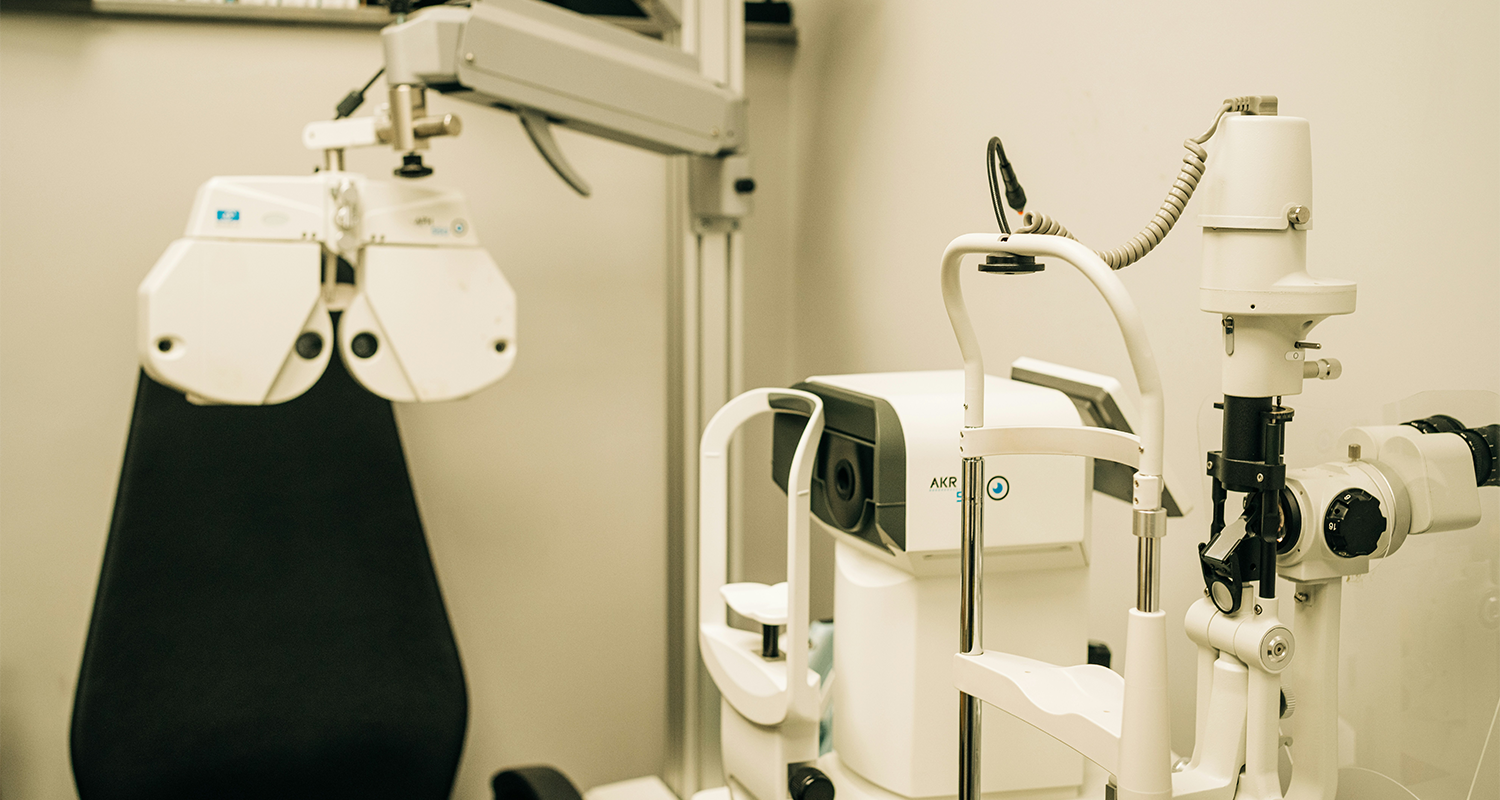
When you design advanced optical tools, every single detail matters. A tiny error in measurement or shaping can ruin the performance of the whole device. Because of this, precision manufacturing is crucial for custom optical instrument parts.
Making these specialized components takes advanced skills, modern machines, and strict quality control. Let us walk through the complete guide on how precision manufacturing brings custom optical parts to life.
The Importance of Precision in Optical Manufacturing
Optical devices rely on exact alignments to direct and focus light accurately. If a housing or frame is off by even a fraction of a millimeter, the lenses will not line up right.
Therefore, precision manufacturing is a must. High-end tools need custom parts built to strict tolerances. When the manufacturing process is precise, the final optical instrument delivers sharp clarity, high durability, and dependable long-term performance.
Key Techniques: CNC Milling and Turning
To create exact shapes for optical housings and frames, makers use advanced machining methods. These techniques turn raw metal or composite blocks into finished, high-tolerance components.
- CNC Milling:This method is ideal for flat surfaces, complex brackets, and unique housings. It uses computer controls to carve out precise shapes.
- CNC Turning:This process is used for round, cylindrical pieces. The material spins rapidly while cutting tools shape it into exact dimensions.
Manufacturers like Xhiontech (Xinhang) provide expert B2B services, including 3-axis CNC machining, milling, and turning. By following exact client blueprints, material needs, and quantities, they ensure high-accuracy results for every project.
Integrating Glass and Mechanical Housings
An optical instrument is a blend of mechanics and optics. Once the metal housing is finished through CNC milling or turning, high-grade optical glass and lenses must be safely integrated.
Skilled technicians assemble these pieces carefully. They apply protective coatings to protect against dust, scratches, and moisture. Every joint must fit snugly so that light moves cleanly through the device without any internal interference.
Rigorous Inspection and Quality Control
Even the most advanced CNC machines require oversight. To guarantee top quality, every custom optical part must pass strict checks before delivery.
Good manufacturers use stable setups and suitable tool paths to prevent errors. After production, final inspections verify that all dimensions match the original customer drawings. This step ensures that only flawless components reach the assembly line.
Conclusion
Creating custom optical instrument parts is a demanding task that requires deep engineering skill. By focusing on advanced CNC machining, careful assembly, and strict quality checks, top manufacturers deliver exceptional results. When you need reliable custom parts for your next project, look to trusted industry experts like Xhiontech to get the precision and quality your instruments deserve.
Share to:


