How CNC Machining Supports Custom Optical Instrument Components
Discover how CNC machining powers custom optical instrument components, from camera parts to precision optics, with tailored solutions from XHIONTECH.
2026/10/16
Reading volume: 0
News Details
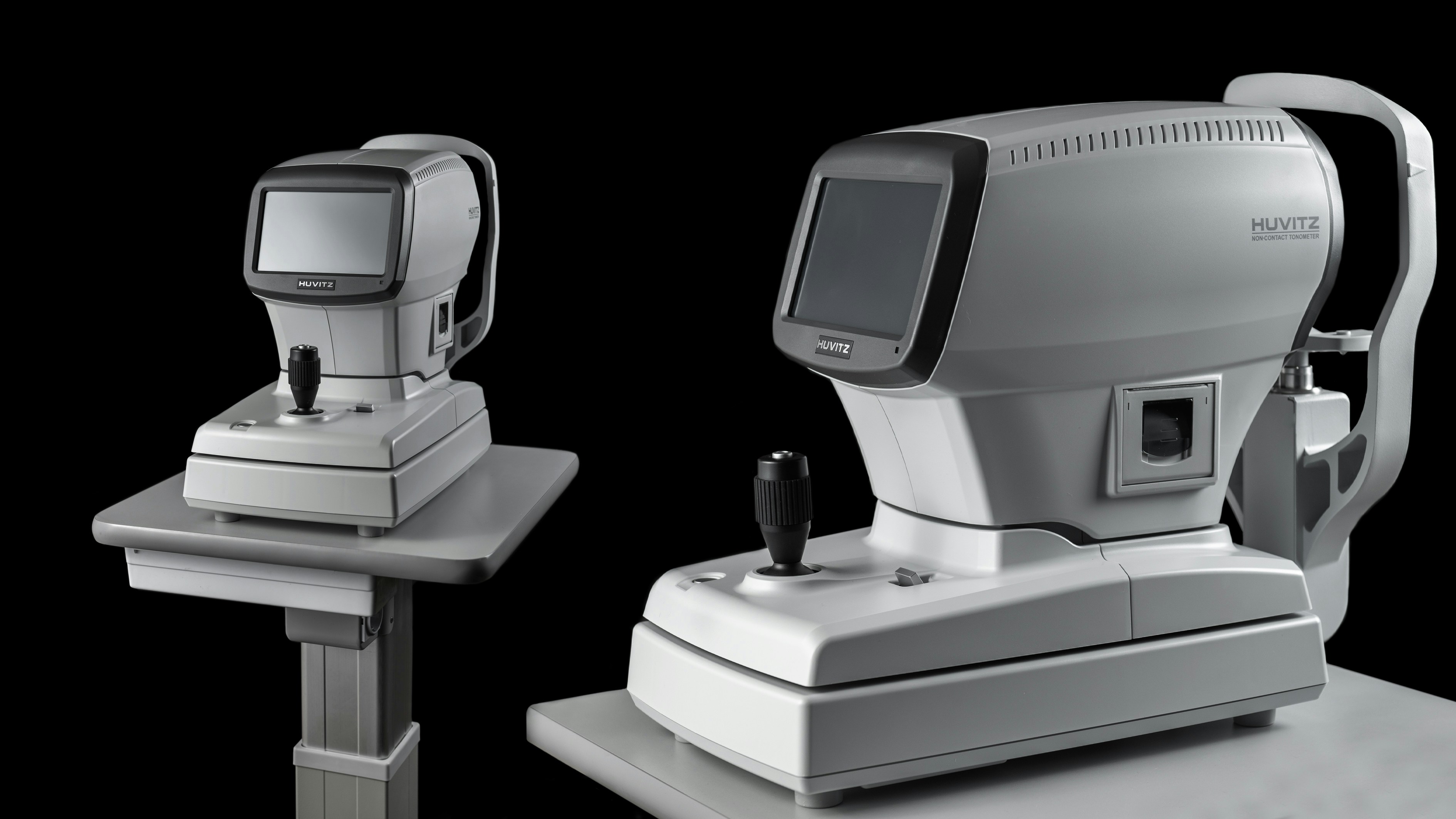
Optical instruments help people observe, measure, record, and analyze the world around them. From digital cameras to scientific measurement instruments, these instruments rely on tightly fitted and highly precise mechanical components. Even a small error in a mechanical component can affect the position of the lens, the focus of the camera, or the accuracy of the measurement results.
CNC machining provides a practical method for manufacturing custom optical instrument components with precise dimensions and complex geometries. It is also suitable for small-batch production, product testing, and the development of new optical equipment.
For enterprises requiring custom components, XHIONTECH provides precision machining services for components used in various industrial and technical applications. By matching machining methods to component design and project requirements, manufacturers can manufacture reliable components for optical systems.
Why CNC Machining Is Important for Optical Instrument Components
Optical instruments usually contain components that must be carefully fitted together. These components may support lenses, hold sensors, guide moving parts, or protect sensitive internal structures. Therefore, dimensional accuracy and stable quality are crucial.
CNC machining uses computer-controlled tools to cut metals and other suitable materials into predetermined shapes. Compared to manual machining, it can more accurately follow digital designs and replicate the same process across multiple components.
The following are several key advantages.
High Precision and Stable Dimensions
Camera bodies, lens mounts, and optical holders typically require precise dimensions. If the mounting surface is uneven or the hole position deviates, the components may not fit as designed.
CNC milling and turning help control these features. In addition, repeatable machining processes make it easier to maintain consistent dimensional tolerances in batch production.
Complex Shapes and Detailed Features
Some optical components have narrow grooves, small holes, curved surfaces, or multiple mounting points. CNC machining can manufacture these features based on CAD drawings and 3D models.
This flexibility is particularly useful when standard components cannot meet the project's design requirements.
Custom Materials and Surface Treatments
Different optical systems require different materials. Aluminum is commonly used for lightweight housings, while stainless steel is suitable for components requiring strength and wear resistance. Other metals can be selected for specific operating conditions.
Surface treatment is also important. Anodizing, polishing, and other appropriate treatments can improve appearance, surface protection, or functional performance, depending on the component and its application.
Flexible Production Quantity
Optical equipment projects may start with several prototype components before proceeding to mass production. CNC machining can support both stages.
Therefore, engineers can test designs, make modifications, and manufacture updated components without creating dedicated molds for many common machined parts.
Types of Optical Devices Utilizing CNC-Machined Components
There are many types of optical devices, each with different mechanical requirements. CNC machining can support the housings, brackets, mounting brackets, frames, and other structural components used in these systems.
Camera Optical Instruments
A camera optical instrument includes more than just a lens and an image sensor. It may also contain lens mounts, camera housings, adjustment rings, support brackets, and other precision components.
These components help hold optical elements in the correct position. For example, a custom lens holder may require precise mounting holes and a flat contact surface to ensure proper assembly.
CNC machining can manufacture these components according to the camera's structure and installation requirements. It is suitable for industrial cameras, machine vision systems, inspection cameras, and other imaging equipment.
Microscopes and Scientific Instruments
Microscopes and scientific optical instruments use mechanical components to support lenses, stages, and adjustment systems. These components must fit the structure of the equipment and allow for stable operation.
CNC-machined brackets, stage components, and mounting plates can help secure optical elements in place. For custom instruments, these components can also be designed based on specific testing or research requirements.
Lasers and Measuring Instruments
Laser equipment and optical measurement tools may require precision housings, alignment brackets, and support frames. These components help secure internal components and maintain the required assembly position.
CNC machining enables manufacturers to create custom structures with specific hole patterns, mounting surfaces, and connection features. The final design should meet the alignment and stability requirements of the entire system.
Medical and Inspection Equipment
Some medical imaging devices and industrial inspection systems use optical components to capture images or inspect small features. Their mechanical components must fit the device and adapt to its working environment.
Custom CNC components can support sensors, lenses, inspection modules, and protective housings. The choice of material and surface treatment should reflect the equipment's cleaning, wear, and operational requirements.
Common CNC Machining Processes for Optical Components
The appropriate machining process depends on the component's shape, material, tolerance, and quantity. In many cases, a project may require more than one process.
CNC Milling
CNC milling uses rotating cutting tools to remove material. It is suitable for housings, mounting plates, brackets, frames, and parts with flat surfaces or complex cavities.
For example, a camera housing may require multiple mounting holes, internal cavities, and cable openings. CNC milling can machine these features from a single design while maintaining their relative positions.
CNC Turning
CNC turning is suitable for round or cylindrical components. Common examples include adjustment rings, threaded sleeves, shafts, and cylindrical holders.
When a component needs to be connected to a lens barrel or other cylindrical part, turning can help achieve the required diameter and fit.
5-Axis CNC Machining
5-axis CNC machining allows the component or cutting tool to move along multiple axes. This makes it suitable for complex shapes and surfaces that are difficult to machine from just a few directions.
It can reduce the need to reposition the component between operations. Therefore, manufacturers can improve the alignment of features and more efficiently handle complex designs.
However, the optimal process still depends on the actual geometry and tolerance requirements. Not every optical component requires 5-axis machining.
Material Selection for Custom Optical Instrument Components
Material selection affects the weight, strength, durability, and cost of optical components. Therefore, manufacturers should consider the function of the component before choosing a material.
Aluminum Alloy
Aluminum is a common choice for camera housings, mounting plates, and support frames. It is lightweight, easy to machine, and provides good corrosion resistance.
XHIONTECH offers custom CNC machining services for 6061, 6063, and 7075 aluminum alloys. Depending on the design, these materials can meet different strength and weight requirements.
Stainless Steel
Stainless steel is suitable for components requiring strength, wear resistance, or corrosion protection. It can be used for shafts, fixtures, brackets, and other structural components.
Brass
Brass offers excellent machinability and is ideal for small precision components, bushings, and fittings. XHIONTECH provides custom H62 brass machining services for components with complex shapes and strict dimensional tolerances.
Engineering Plastics
Some optical devices use plastic components to reduce weight or meet specific insulation and design requirements. The appropriate plastic depends on operating temperature, mechanical load, and working environment.
In all cases, the material should match the component drawings and the overall device requirements.
How XHIONTECH Supports Custom Optical Instrument Projects
Custom optical instrument components often require more than basic machining. Manufacturers may also need assistance with drawing review, material selection, machining method selection, and key dimensional inspection.
XHIONTECH provides precision CNC machining and engineering support for custom components. Its capabilities include 5-axis CNC machining, small-batch production, mass production machining, surface treatment, and coordinate measuring machine (CMM) inspection.
The company reportedly has 40 machining machines and 11 inspection instruments, including a Hexagon CMM. It also provides machining tolerances as low as ±0.01 mm for suitable components and designs.
These capabilities can help customers manage projects that require complex geometries and consistent dimensions.
A Practical Example: Custom Camera Optical Instrument Components
Consider an equipment manufacturer developing a camera optical instrument for automated inspection. The design requires custom camera housings, lens mounting brackets, and sensor supports.
First, the manufacturer provides CAD drawings and identifies critical dimensions. Next, the machining supplier reviews the design and selects suitable materials and processes.
CNC milling can be used to manufacture housings and mounting features, while turning may be suitable for circular adjustment components. If the bracket has multiple angled surfaces, 5-axis CNC machining may help reduce setup times.
After machining is complete, the supplier will inspect key dimensions and mounting positions. Surface treatments can then be applied according to design requirements.
This is an illustrative example and does not represent a report of a named customer project. It demonstrates how XHIONTECH's machining and inspection services can support the development process of custom optical equipment.
Quality Control for Precision Optical Components
Even a well-designed component can cause assembly issues if its dimensions are inaccurate. Therefore, quality inspection should be part of the production process.
For custom optical instrument components, manufacturers may need to inspect:
- Overall dimensions and key tolerances
- Hole location and thread size
- Flatness and surface finish
- Alignment of related features
- Material and surface treatment requirements
- Consistency across production batches
CMM inspection is valuable for inspecting complex components with multiple critical dimensions. However, the inspection method should match the drawings and the function of each feature.
Before production begins, customers should also confirm which dimensions are critical and whether an inspection report is required.
Preparation for Custom CNC Machining Projects
To help suppliers provide quotes and manufacture correct components, please prepare the following information:
- CAD drawings or 3D models
- Material and surface finish requirements
- Required dimensions and tolerances
- Estimated order quantity
- Assembly details and intended use
- Inspection and documentation requirements
Clear information helps reduce design inquiries and makes it easier to select a suitable manufacturing process.
XHIONTECH supports custom machining projects based on drawings, samples, or technical specifications. Its engineering review process can help identify manufacturing concerns before production begins.
Conclusion
CNC machining plays a crucial role in the production of custom optical instrument components. It supports dimensional accuracy, complex shapes, flexible material selection, and repeatable production.
From camera optical instruments to microscopes, laser systems, measuring instruments, and inspection equipment, various types of optical devices rely on mechanical components that fit and function as intended.
By combining suitable materials, appropriate machining processes, and rigorous inspection, manufacturers can develop components that meet the requirements of their equipment.
XHIONTECHprovides custom CNC machining, 5-axis machining, engineering review, and CMM inspection services to support precision components from prototyping to mass production. For companies developing custom optical instruments, these services offer a practical starting point for turning designs into finished components.
Share to:


