How Are Custom Optical Instrument Parts Made?
Learn how custom optical instrument parts are made. Discover manufacturing steps, precision CNC machining, and quality control from expert makers like Xhiontech.
2026/09/17
Reading volume: 2
News Details
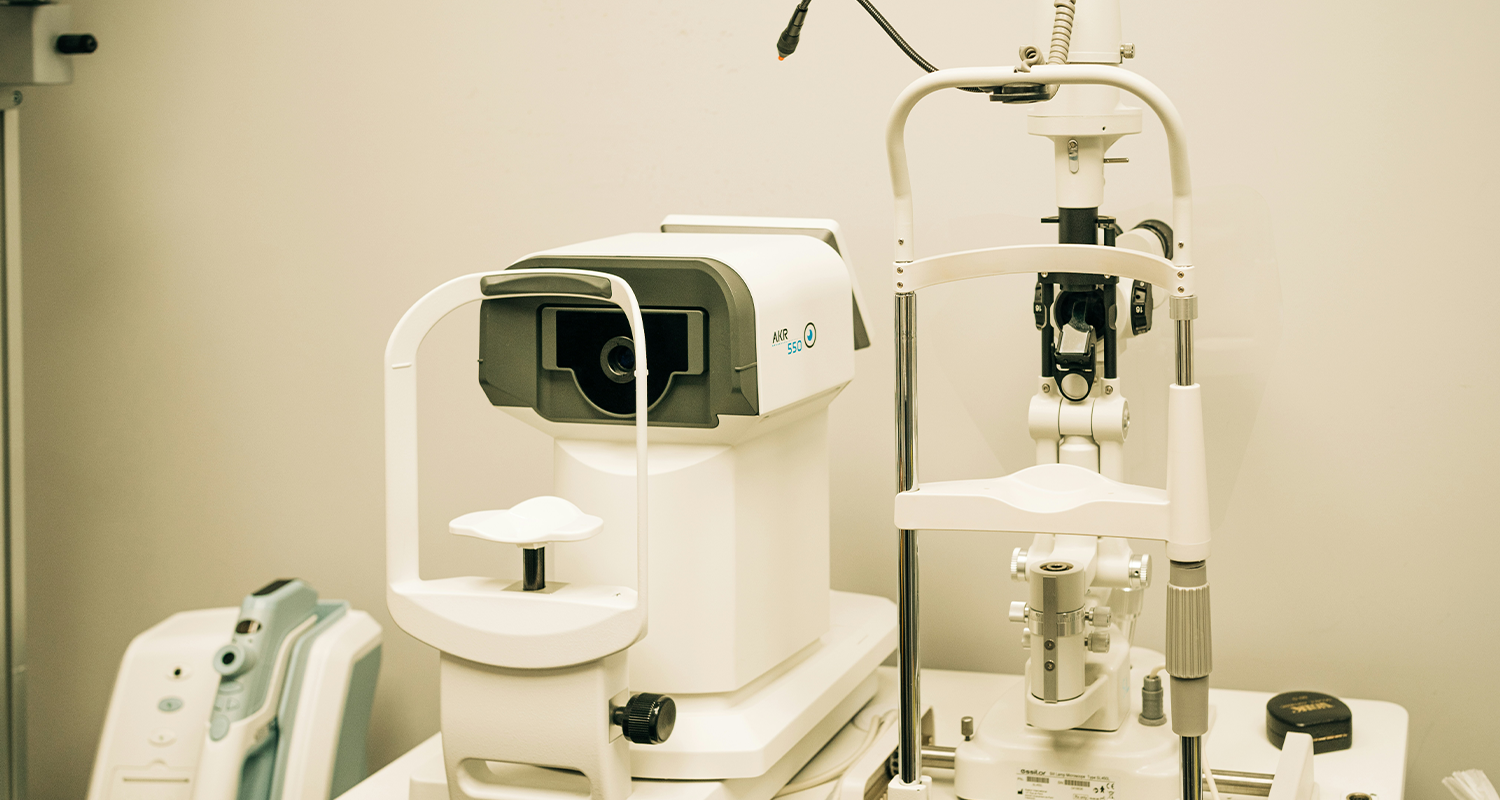
When you look through a high-end scope or use a precise measurement tool, you see a clear image. But have you ever wondered how those pieces are built? Making custom optical instrument parts is a complex process. It requires advanced tools, exact skill, and deep care.
To understand the journey from a simple design to a finished piece, we must look at each step of the creation process. Let us explore how top manufacturers bring custom optical parts to life.
Step 1: Reviewing Drawings and Planning the Build
Every great part starts with a detailed drawing. When a client needs a custom piece, they send over their specific blueprints and material needs.
Before any cutting begins, expert engineers review the design very carefully. They figure out the best tool paths, set up a stable workspace, and plan every detail. This planning phase ensures that the final product will match the exact size and shape required for the optical instrument.
Step 2: Precision CNC Machining, Milling, and Turning
Once the plan is ready, the actual manufacturing begins. Most custom optical instrument frames, housings, and brackets are shaped using advanced machining methods.
- CNC Milling:This process is widely used for flat plates, custom housings, and milled components. It carves out complex shapes with extreme accuracy.
- CNC Turning:Turning is used to create round or cylindrical parts. The material spins while cutting tools shape it into exact forms.
Makers like Xhiontech (Xinhang) specialize in turning raw materials into finished components based on exact customer drawings. Whether working on small batches or full-scale production, precision is always the main focus.
Step 3: Integrating Glass and Special Coatings
An optical part is more than just a metal frame. It also needs high-quality glass and lenses. After the housing or mechanical shell is machined, optical glass is carefully integrated into the assembly.
Workers apply special anti-reflective and protective coatings to the glass. These coatings help light move cleanly through the device and protect the surface from scratches, water, and dust. Every piece must fit together tightly so that no dust or moisture can sneak inside.
Step 4: Careful Inspection and Quality Control
Even with the best machines, mistakes can happen. Because of this, rigorous testing is a must at every stage.
Before any part leaves the factory, it goes through a careful inspection. Technicians check the dimensions against the original drawing using precision measurement tools. They also test the alignment and clarity to make sure the final component works perfectly. Only parts that pass every test are approved for delivery.
Conclusion
Making custom optical instrument parts is a blend of art and science. From the first drawing review to final quality checks, every step demands high precision and deep skill. By relying on trusted custom manufacturers like Xhiontech for advanced CNC machining, milling, and turning, industries can get the reliable, high-precision parts they need.
Share to:


