How Custom Optical Instrument Parts Improve Optical Equipment
Discover how custom optical instrument parts improve alignment, stability, accuracy, and durability across cameras and other optical devices.
2026/09/23
Reading volume: 0
News Details
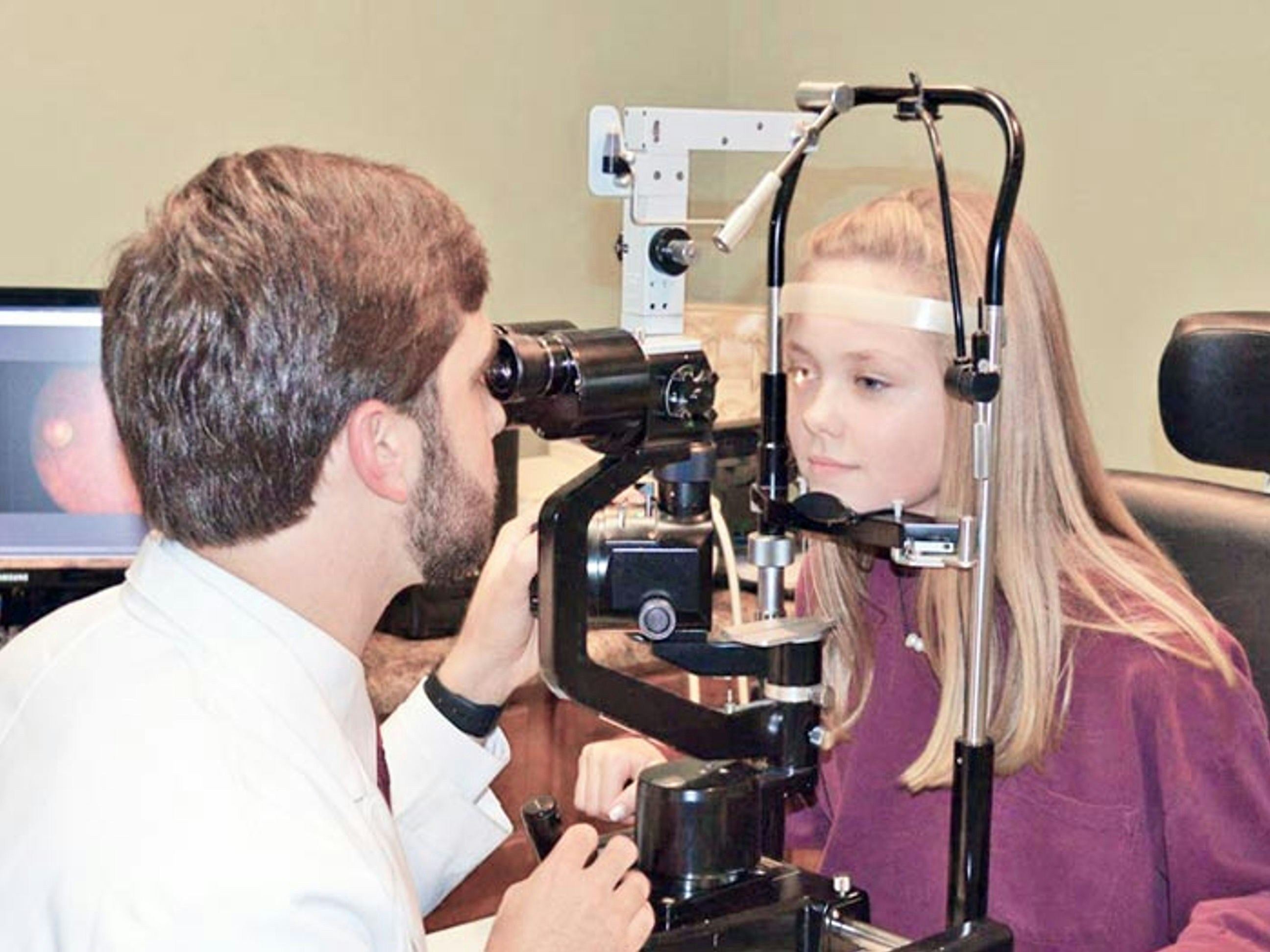
Modern optical equipment depends on more than lenses and sensors. Behind every reliable optical system, there are many mechanical parts that hold, align, protect, and move key components. These parts may look small, but they can have a major effect on equipment performance.
For this reason, custom optical instrument parts are widely used in cameras, microscopes, measuring systems, medical equipment, inspection devices, and other precision systems. Unlike standard parts, custom components are made to match the exact structure and working needs of the equipment.
With precision CNC machining, manufacturers can produce complex parts with stable dimensions and tight tolerances. As a result, custom parts can improve alignment, assembly, durability, and overall equipment reliability.
Why Custom Optical Instrument Parts Matter
Optical equipment often has a compact and complex structure. A small change in the position of a lens, sensor, or mirror can affect the final result.
Custom optical instrument parts help solve this problem by matching the exact design of the equipment. Common parts include:
- Lens holders
- Camera mounts
- Optical brackets
- Sensor housings
- Adjustment components
- Precision frames
- Mounting plates
- Guide parts
- Small shafts and pins
- Protective covers
Each part has a specific role. For example, a lens holder keeps the lens in a fixed position. A mounting bracket connects different components. A precision housing protects sensitive parts while also maintaining their correct position.
Therefore, better mechanical parts can support more stable optical performance.
How Custom Parts Improve Optical Alignment
Alignment is one of the most important factors in optical equipment. Lenses, sensors, mirrors, and other elements must stay in the correct position.
Standard parts may not always match the required dimensions or mounting points. In contrast, custom parts can be designed around the actual optical structure.
For example, a camera optical instrument may require a custom lens mount and sensor bracket. These parts need accurate hole positions, flat surfaces, and stable dimensions. When the parts fit correctly, the lens and sensor can maintain a more consistent relationship.
As a result, custom machining can help reduce assembly problems and support stable imaging performance.
Custom Parts for Different Types of Optical Devices
There are many types of optical devices, and each type has different mechanical needs. Therefore, the right part design depends on the equipment application.
Camera Optical Instruments
Camera optical instruments use lenses, image sensors, mounts, housings, and other components. Their mechanical parts need to provide stable support without adding unnecessary size or weight.
Custom CNC parts can be used for lens mounts, sensor brackets, camera housings, frames, and adjustment components.
For compact camera systems, aluminum is often useful because it combines low weight with good strength and machinability. For parts that require higher hardness or wear resistance, other metals may be selected.
Measuring and Inspection Equipment
Optical measuring systems need repeatable positioning. A small dimensional difference can affect measurement results.
Custom mounting plates, sensor holders, guide parts, and positioning components can be designed to match the exact equipment structure. This helps optical and mechanical elements stay in the correct relationship during repeated operation.
Microscopes and Imaging Systems
Microscopes often contain multiple lenses, tubes, adjustment parts, frames, and holders. These components need to work together smoothly.
Custom housings and brackets can be made according to the optical layout. In addition, precision-machined adjustment parts can support controlled movement during focusing or positioning.
Medical and Laboratory Optical Equipment
Medical and laboratory devices often require compact structures and durable materials. Depending on the application, stainless steel, aluminum, brass, and engineering plastics may be suitable.
Custom machining also makes it easier to create special mounting structures that are difficult to find as standard components.
Laser and Optical Measurement Devices
Laser equipment can require complex brackets, holders, and adjustment parts. These components need accurate geometry because they support sensitive optical elements.
For complex structures, multi-axis CNC machining can reduce the number of setups needed during production. This can help improve dimensional consistency.
Precision CNC Machining Improves Part Quality
CNC machining is well suited to custom optical instrument parts because it can produce both simple and complex geometries.
For example, an optical bracket may contain angled surfaces, recessed areas, threaded holes, and several reference faces. With 5-axis CNC machining, multiple surfaces can be processed with fewer setups.
This approach can reduce positioning errors and improve consistency between related features.
Xhiontech provides 5-axis CNC machining for complex geometries. Its machining capabilities support tight-tolerance parts, while CMM inspection is available for critical dimensions. The company also lists 40 machining machines and 11 inspection instruments for production and quality control.
Material Selection Affects Optical Equipment Performance
The material of a custom part should match its function and working environment.
Aluminum Optical Parts
Aluminum is useful when low weight, strength, and corrosion resistance are important. Xhiontech offers CNC machining for aluminum alloys such as 6061, 6063, and 7075. Surface finishes include anodizing, polishing, brushing, sandblasting, and coating.
These options make aluminum suitable for many camera frames, brackets, housings, and mounting components.
Stainless Steel Parts
Stainless steel is suitable for parts that require strength, durability, and corrosion resistance. It can be used for shafts, holders, structural components, and other precision parts.
S136 Steel Components
For demanding applications, S136 steel provides high hardness, corrosion resistance, and good polishing performance. Xhiontech offers custom S136 steel parts with tolerances up to ±0.01 mm for suitable applications, along with material certificates and inspection reports when required.
Brass Precision Parts
Brass offers good machinability and can be used for bushings, fittings, small precision components, and other mechanical parts.
Choosing the right material can improve the balance between weight, strength, durability, and production cost.
XhiontechCustom Optical Parts Solution
Xhiontech provides custom CNC machining for precision components based on drawings, samples, and technical specifications. Its process includes engineering review, machining, finishing, and inspection.
This is useful for optical equipment manufacturers that need parts designed around a specific system.
Before production, the engineering team can review the drawing and provide machining feedback. This helps identify difficult features, unnecessary tolerances, or other manufacturing issues before machining starts.
For example, when an optical bracket contains several angled surfaces, the machining process can be reviewed in advance to determine whether 5-axis machining or another method is more suitable.
This type of engineering support can reduce production risks and make the transition from prototype to production easier.
Quality Control Helps Keep Optical Parts Consistent
Precision machining is only one part of the process. Inspection is also important.
Custom optical instrument parts may require checks for:
- Critical dimensions
- Hole positions
- Flatness
- Concentricity
- Surface finish
- Overall geometry
- Assembly fit
- Batch consistency
For critical dimensions, CMM inspection can provide detailed measurement data. Xhiontech uses CMM inspection as part of its quality control system and supports both low-volume and production orders.
As a result, manufacturers can better control dimensional variation and maintain consistent part quality.
From Prototype Parts to Production
Optical equipment development often starts with prototypes. After testing, the design may be adjusted before larger production begins.
Therefore, it is useful to work with a manufacturer that can support different production stages.
Xhiontech supports low-volume manufacturing as well as production orders. Its services cover engineering review, CNC machining, finishing, and quality inspection.
This allows a project to move from an early custom part to a larger production run without changing the basic manufacturing workflow.
How to Get Better Custom Optical Instrument Parts
A clear technical brief can make the manufacturing process easier. Before requesting a quotation, prepare:
- CAD drawings or 3D models
- Material requirements
- Critical dimensions
- Tolerance requirements
- Surface finish
- Required quantity
- Assembly information
- Inspection requirements
- Intended application
It is also helpful to identify the most important reference surfaces. These surfaces may control the position of a lens, sensor, mirror, or other optical element.
With clear requirements, the manufacturer can better select the machining process, material, finishing method, and inspection plan.
Conclusion
Custom optical instrument parts can improve optical equipment by providing accurate fit, stable alignment, reliable movement, and consistent mechanical support. They are especially useful when standard components cannot meet the exact requirements of a system.
From camera optical instruments to microscopes, measuring equipment, medical devices, and laser systems, different types of optical devices require different mechanical solutions.
With precision CNC machining, suitable materials, engineering support, and careful inspection, custom parts can help optical equipment achieve more stable and reliable performance. Xhiontechcombines CNC machining, 5-axis capabilities, engineering review, and CMM inspection to support custom precision parts from prototypes to production.
Share to:


