Custom Optical Instrument Parts: Materials, Processes, and Uses
Discover Custom Optics Instrument Parts: Materials, Machining, And Applications Explore precision custom optics instrument parts for telescopes, microscopes, and cameras. Learn about materials, CNC machining, surface treatment, and applications in optical systems. Ideal for engineers seeking high-precision optical component solutions.
2026/09/30
Reading volume: 1
News Details
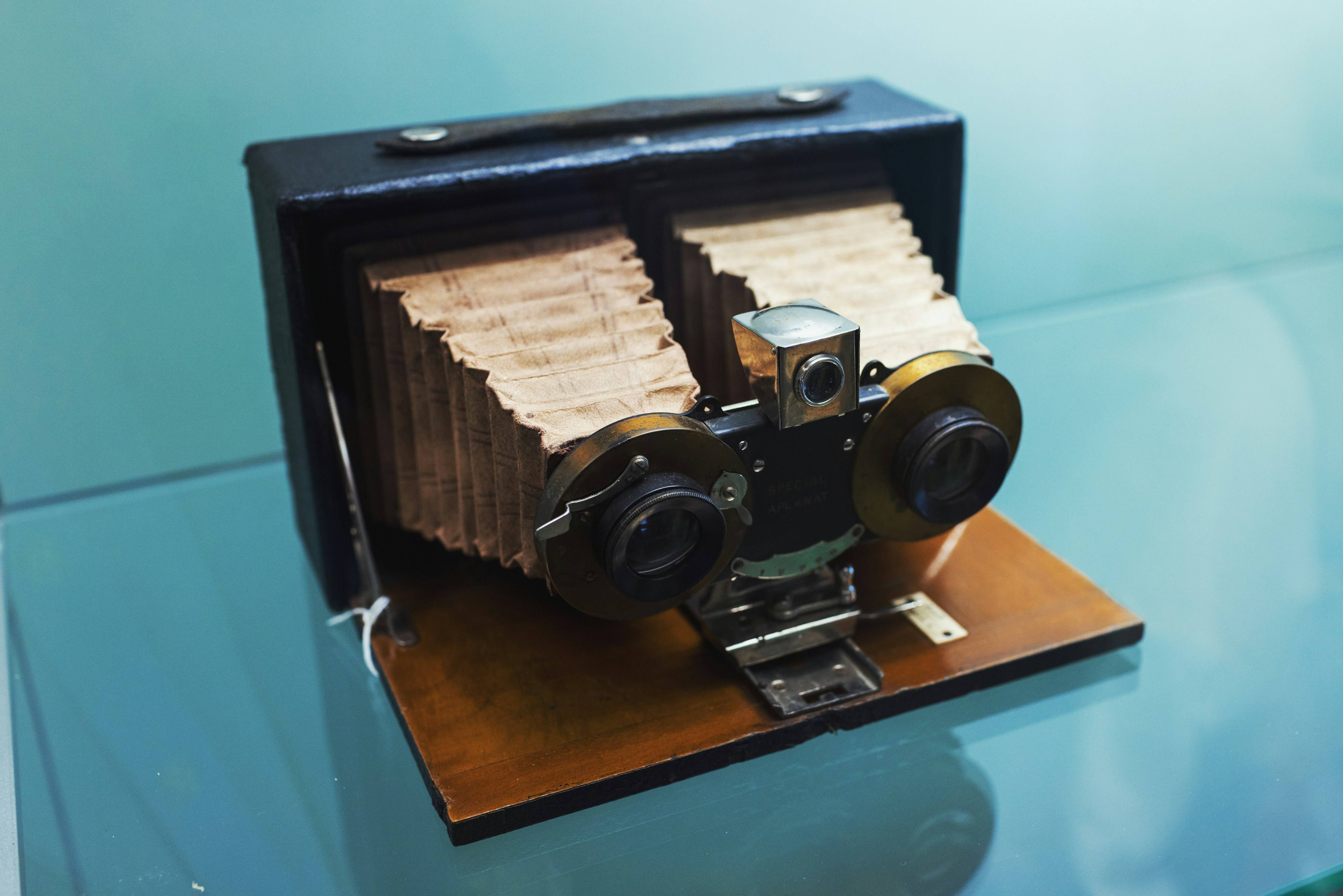
Custom optical instrument parts play an important role in modern optical and precision equipment. From microscope systems to imaging devices, laser equipment, and inspection tools, each component must meet strict size and performance needs.
Unlike standard parts, custom optical instrument parts can be designed around a specific instrument. This allows manufacturers to control dimensions, materials, surface finish, and assembly details more closely.
For companies developing optical equipment, choosing the right materials and production process is essential. The right combination can improve accuracy, stability, durability, and product life.
Custom Optical Instrument Parts and Common Material Choices
Material selection is the first step in producing reliable optical instrument components. Different applications require different levels of strength, weight, heat resistance, and surface quality.
Common materials include:
Stainless Steel Optical Parts
Stainless steel offers good strength, corrosion resistance, and dimensional stability. Therefore, it is often used for brackets, housings, shafts, mounting parts, and other structural components.
Aluminum Optical Instrument Parts
Aluminum is light and easy to machine. As a result, it works well when weight reduction is important.
It can also receive surface treatments, such as anodizing, to improve surface protection and appearance.
Brass Precision Optical Components
Brass is easy to machine and offers good wear performance. It can be used for small precision parts, fittings, and mechanical components in optical systems.
Engineering Plastics for Optical Equipment
Some optical instruments need lightweight and electrically insulating parts. Engineering plastics can meet these needs while also offering good dimensional performance.
Therefore, material choice should always match the actual application.
Custom Optical Instrument Parts with Precision CNC Machining
CNC machining is a common process for producing custom optical instrument parts.
The process uses computer-controlled machines to cut materials into precise shapes. As a result, manufacturers can produce complex components with consistent dimensions.
CNC machining is suitable for:
- Optical instrument housings
- Mounting brackets
- Precision shafts
- Frames
- Connectors
- Mechanical supports
Moreover, CNC machining works with many metals and engineering plastics. This makes it a flexible choice for both prototypes and small production runs.
Custom Optical Instrument Parts with Turning and Milling Processes
Different part shapes require different machining methods.
CNC turning is useful for round components such as shafts, sleeves, pins, and threaded parts. Meanwhile, CNC milling works well for flat surfaces, slots, holes, and complex shapes.
In many projects, manufacturers use both processes together.
For example, a precision optical assembly may require a turned shaft combined with a milled mounting bracket. Using the right process for each part helps improve accuracy and reduce production costs.
Custom Optical Instrument Parts with Surface Treatment
Surface treatment can improve the performance and service life of precision components.
Common treatments include:
- Anodizing
- Polishing
- Brushing
- Plating
- Passivation
- Powder coating
For example, anodized aluminum can provide better surface protection. Polished metal can provide a smoother finish, while plating may improve wear or corrosion resistance.
Therefore, surface treatment should be selected according to the working environment and functional requirements.
Custom Optical Instrument Parts for High-Precision Applications
Optical instruments often require very accurate mechanical parts.
Even a small dimensional error can affect assembly or system performance. Therefore, manufacturers need to control tolerances during production.
Precision components may include:
- Lens mounts
- Optical brackets
- Instrument frames
- Adjustment components
- Mounting plates
- Precision shafts
In addition, stable materials and careful inspection help reduce dimensional changes during use.
For this reason, precision machining is an important part of optical equipment manufacturing.
Custom Optical Instrument Parts for Microscopes and Imaging Systems
Microscopes and imaging equipment use many small mechanical components.
Custom parts can be used for:
- Lens support systems
- Camera mounts
- Focus mechanisms
- Structural frames
- Adjustment mechanisms
Because these systems often require smooth movement and accurate alignment, mechanical components must fit together precisely.
Custom manufacturing allows each component to match the instrument's design rather than forcing the design to fit standard parts.
Custom Optical Instrument Parts for Laser and Inspection Equipment
Laser equipment and industrial inspection systems also depend on precision components.
These systems may require parts that offer:
- Stable dimensions
- Good heat resistance
- Accurate positioning
- Strong mechanical support
- Reliable surface quality
For example, a custom mounting component can help keep an optical element in the correct position during operation.
Similarly, inspection equipment may need lightweight and rigid frames to maintain stable measurements.
Custom Optical Instrument Parts from Xhiontech
Xhiontech provides precision component and custom manufacturing solutions for customers in different industries.
Its product range includes custom mechanical and transmission components that can support applications where accurate machining, stable dimensions, and reliable assembly are important.
For optical equipment manufacturers, these capabilities can be useful when developing:
- Custom mechanical components
- Precision shafts and parts
- Small machined components
- Mounting and structural parts
- Customized transmission components
Xhiontech can support customers from product requirements and drawings through manufacturing and quality inspection. This makes it easier to develop parts that match a specific equipment design.
Custom Optical Instrument Parts with Prototype and Low-Volume Production
Not every optical equipment project starts with large production orders.
New products often begin with prototypes or small batches. Therefore, a supplier that supports flexible production can be valuable during product development.
A typical process includes:
- Review drawings and specifications.
- Select suitable materials.
- Confirm machining and surface treatment.
- Produce prototype samples.
- Inspect dimensions and appearance.
- Make design adjustments if needed.
- Move to batch production.
This approach allows engineers to test parts before investing in large-scale manufacturing.
Custom Optical Instrument Parts with Strict Quality Control
Quality control is essential for optical equipment components.
A professional manufacturer should inspect parts throughout the production process. Typical checks include:
- Material verification
- Dimensional inspection
- Surface inspection
- Thread and hole checks
- Assembly testing
- Final quality inspection
In addition, inspection equipment should match the required precision level.
Good quality control reduces the risk of assembly problems and helps maintain consistent product performance.
How to Choose a Custom Optical Instrument Parts Supplier
Choosing a supplier requires more than checking the price.
Before placing an order, consider the supplier's:
- Machining capabilities
- Material options
- Tolerance control
- Surface treatment services
- Quality system
- Production capacity
- Communication ability
It is also useful to ask for samples before mass production. This gives you a chance to check fit, finish, and dimensions.
A supplier with experience in precision components can also help identify production issues early and suggest practical solutions.
Conclusion: Custom Optical Instrument Parts for Precision Equipment
Custom optical instrument parts combine material selection, precision machining, surface treatment, and strict quality control.
From microscopes and imaging systems to laser equipment and industrial inspection tools, custom components help manufacturers create equipment that meets specific design needs.
By choosing the right materials and manufacturing processes, companies can improve part accuracy, durability, and assembly performance. Working with an experienced supplier such as Xhiontech can also simplify the path from product drawings to finished precision components.
Share to:


