A Guide to Custom Optical Instrument Parts Manufacturing
Explore how custom optical instrument parts are made, from material choice and CNC machining to tolerance control, testing, and Xhiontech precision solutions.
2026/09/30
Reading volume: 1
News Details
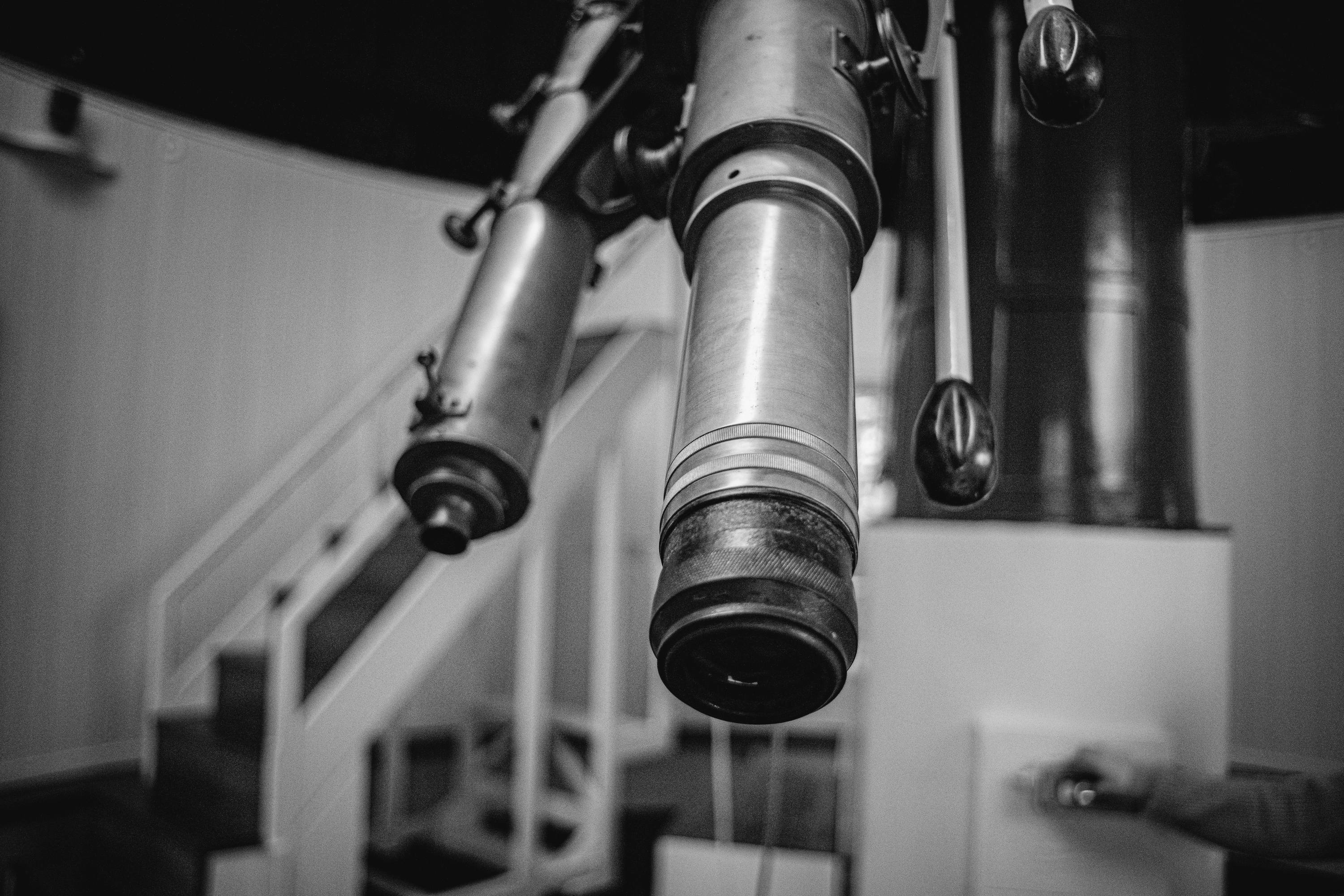
Optical instruments rely on accurate, stable, and precision-engineered components that must be perfectly matched to the final system. Even a small error in a mount, housing, gear, or transmission part can compromise the performance of the entire optical device. Therefore, custom optical instrument parts manufacturing demands meticulous design, precision machining, and stringent quality control.
From laboratory research equipment to industrial optical systems, manufacturers frequently require components with specialized dimensions and functions tailored to their unique applications. This is where custom manufacturing delivers a highly effective solution.
Xhiontech provides customized precision component solutions for a wide range of industrial applications. Its product portfolio includes transmission parts, mechanical components, and bespoke parts engineered to support optical instrument and precision equipment projects.
The Critical Role of Custom Optical Instrument Parts Manufacturing
Standard off-the-shelf parts often fail to meet the stringent requirements of specialized optical systems. For instance, an instrument may demand a unique mounting dimension, a bespoke transmission structure, or a component with extremely tight dimensional tolerances.
By utilizing custom optical instrument parts, manufacturers gain full control over:
- Component dimensions
- Material selection
- Surface finish
- Mounting structure
- Mechanical performance
- Production volume
Consequently, custom manufacturing empowers engineers to develop components that seamlessly integrate with their actual instruments, rather than forcing them to redesign the entire system to accommodate standard parts.
Common Custom Optical Instrument Parts for Precision Equipment
Optical instruments incorporate a multitude of mechanical parts that support lenses, sensors, moving mechanisms, and other critical components.
Common custom parts include:
Optical Instrument Housings
Housings protect sensitive optical and electronic components while providing a rigid, stable structure for installation.
Lens Mounts and Brackets
Lens mounts require exceptional dimensional accuracy, as even minute positional deviations can disrupt optical alignment.
Precision Gears and Transmission Parts
Many optical instruments incorporate moving mechanisms. As such, gears and transmission components demand smooth operation and dimensional stability.
Shafts and Small Mechanical Components
Shafts, pins, bushings, and other small parts facilitate the connection of moving components. Proper tolerance is essential for reliable operation.
Custom Mounting Components
Custom brackets and mounting plates enable the integration of optical systems with larger equipment.
The optimal component design is contingent upon the instrument's structure and operating conditions.
Material Selection: The Foundation of Custom Optical Instrument Parts Manufacturing
Material choice profoundly impacts component strength, weight, stability, and service life.
Commonly used materials include:
- Aluminum
- Stainless steel
- Brass
- Engineering plastics
- Other precision metal alloys
For example, aluminum offers a lightweight solution with excellent machinability. Stainless steel provides superior strength and corrosion resistance. Brass performs exceptionally well for certain precision mechanical parts.
Therefore, manufacturers should select materials based on actual application requirements rather than simply opting for the lowest-cost alternative.
Precision Machining for Custom Optical Instrument Parts
Precision machining is a cornerstone of optical component manufacturing.
Depending on the design specifications, manufacturers may employ:
- CNC machining
- CNC turning
- Milling
- Grinding
- Drilling
- Surface treatment
These processes ensure the creation of accurate geometries and dimensions.
Additionally, CNC machining enables manufacturers to produce complex components with consistent, repeatable results. This is particularly advantageous when optical equipment requires mass production of identical components.
Tolerance Control in Custom Optical Instrument Parts Manufacturing
Tolerance is one of the most critical factors in precision component manufacturing.
A component may appear visually correct, but if its dimensions fall outside the required tolerance range, it will fail to fit properly within the optical system.
Therefore, manufacturers must clearly define critical dimensions prior to production.
Quality inspections may encompass:
- Dimensional inspection
- Surface inspection
- Thread inspection
- Assembly testing
- Material verification
As a result, rigorous tolerance control helps minimize fitting issues during final assembly.
Surface Finishing for Custom Optical Instrument Parts
Surface treatment enhances both the aesthetic appeal and functional performance of components.
Depending on the material and application, manufacturers may utilize:
- Anodizing
- Plating
- Polishing
- Brushing
- Passivation
- Powder coating
For optical instrument components, surface finish can also influence friction, corrosion resistance, and the interaction between components.
Therefore, surface treatment should be selected as an integral part of the overall product design process.
Prototyping and Testing for Custom Optical Instrument Parts
Before commencing mass production, creating a prototype can help identify potential design flaws.
A typical process includes:
- Reviewing technical drawings.
- Selecting materials.
- Producing a prototype.
- Verifying dimensions and assembly.
- Testing component performance.
- Adjusting the design as necessary.
- Initiating larger-scale production.
This process mitigates the risk of costly errors during mass production.
Furthermore, prototypes provide engineers with an opportunity to confirm that the component functions correctly within the actual instrument.
Xhiontech Custom Optical Instrument Parts and Precision Components
Xhiontech delivers customized mechanical component solutions for customers requiring precision parts for specialized equipment.
Its product range encompasses transmission parts and other customized mechanical components, which are well-suited for optical instruments incorporating moving or positioning systems.
For instance, precision gears, shafts, and other transmission components can support mechanisms that require controlled movement. also specializes in customized production, enabling customers to develop components according to specific drawings and application requirements. For optical equipment manufacturers, this flexible supply approach proves invaluable when standard components fail to meet design specifications.How to Select a Custom Optical Instrument Parts Manufacturer
Choosing the right manufacturer is crucial for precision projects.
Before initiating a partnership, buyers should consider the following:
Manufacturing Experience
Seek a supplier with a proven track record in precision mechanical components and custom production.
Processing Capabilities
Verify that the manufacturer possesses appropriate CNC machining and finishing equipment for the required components.
Quality Control
A reputable supplier should have well-defined inspection procedures and reliable measurement equipment.
Customization Support
The supplier should be capable of working from drawings, samples, and technical specifications.
Production Capacity
If the project transitions from prototyping to mass production, the supplier must have sufficient capacity to support the next phase.
Communication
Clear technical communication helps prevent misunderstandings regarding dimensions, materials, and tolerances.
Cost Optimization Strategies in Custom Optical Instrument Parts Manufacturing
Custom parts need not be prohibitively expensive. Thoughtful design and production planning can effectively control costs.
Firstly, select materials that meet performance requirements without unnecessary specifications. Secondly, simplify complex structures whenever feasible.
Additionally, standardizing dimensions across multiple components can reduce production complexity.
Other cost-effective methods include:
- Confirming drawings before production
Conclusion: Engineering Reliable Custom Optical Instrument Parts
Custom optical instrument parts manufacturing
integrates product design, material selection, precision machining, tolerance control, and quality inspection. Because optical instruments often demand accurate and specialized components, selecting an experienced manufacturer is paramount. A reliable supplier can support the project from prototype development through mass production.Leveraging its expertise in custom precision components and transmission parts, Xhiontech can deliver practical manufacturing solutions for optical equipment and other precision applications.
When the right materials, processes, and quality controls are combined, custom optical instrument parts can deliver consistent performance and reliable long-term service.
Share to:


