Custom Optical Instrument Parts for Medical and Imaging Devices
Custom optical instrument parts for medical and imaging devices, including camera components, housings, brackets, and precision CNC parts.
2026/09/23
Reading volume: 2
News Details
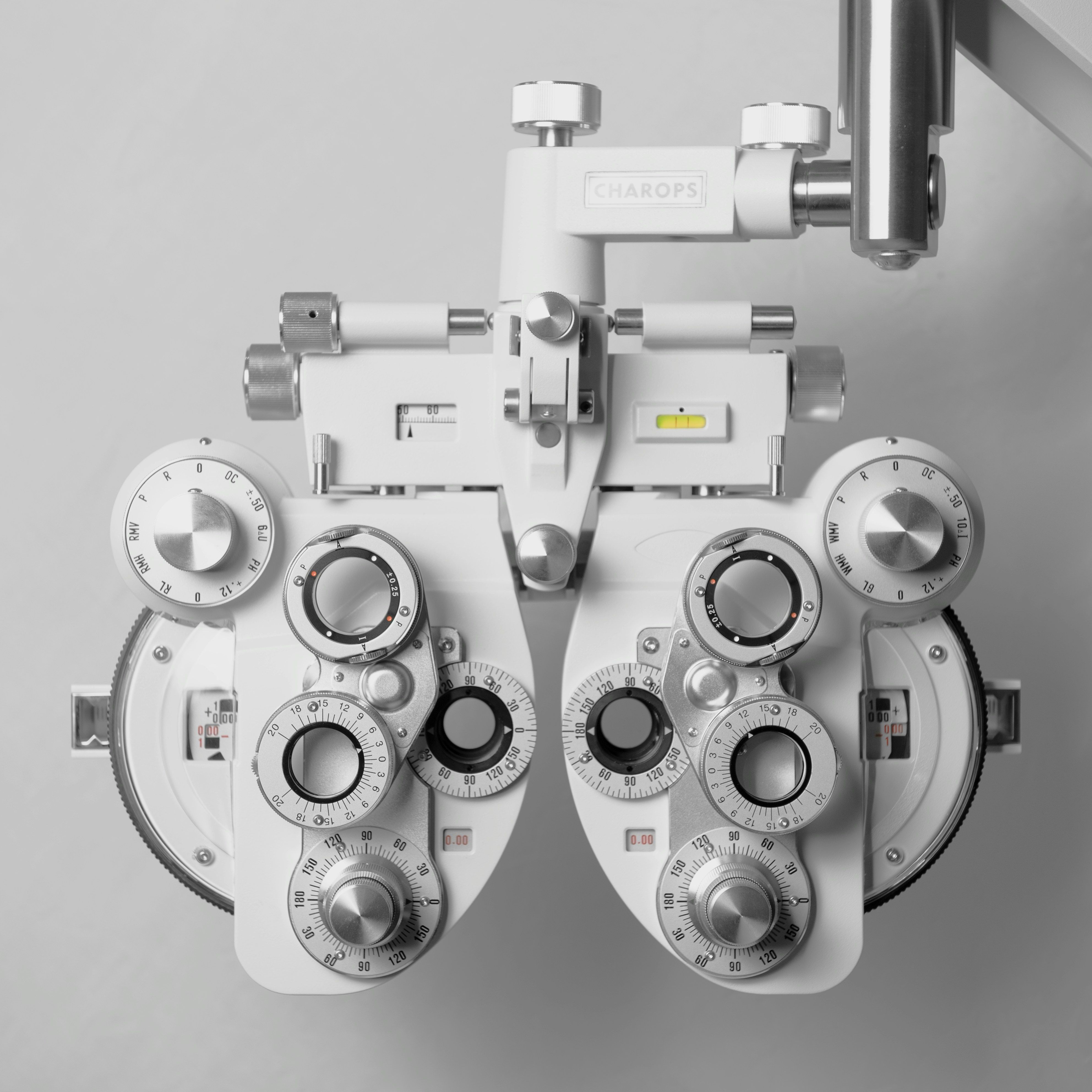
Medical and imaging devices rely on precise optical systems to capture, measure, and process visual information. However, lenses and sensors alone cannot deliver stable performance. The mechanical parts around them must also provide accurate positioning, strong support, and reliable protection.
This is where custom optical instrument parts become important. From camera optical instrument assemblies to medical imaging equipment, custom CNC-machined parts can be designed to match the exact structure of each device.
Xhiontech provides custom CNC machining for precision components, including complex metal parts, 5-axis machined parts, housings, brackets, holders, and other non-standard components. Its capabilities support projects from prototypes and small batches to production orders.
Why Custom Optical Instrument Parts Matter
Optical equipment often has a compact and complex structure. Standard parts may not match the required size, mounting position, or tolerance. As a result, custom parts can provide a better fit for the complete system.
Common custom optical instrument parts include:
- Lens holders
- Camera mounts
- Sensor housings
- Optical brackets
- Precision frames
- Mounting plates
- Adjustment components
- Small shafts and pins
- Protective covers
- Positioning parts
These components help hold lenses, sensors, mirrors, and other optical elements in the correct position. Therefore, dimensional accuracy is important. Even a small change in a mounting surface or hole position can affect alignment and assembly.
For medical and imaging devices, this becomes even more important because the mechanical structure must work smoothly with the optical and electronic systems.
Custom Parts for Different Types of Optical Devices
There are many types of optical devices, and each has its own mechanical needs. Custom CNC machining allows manufacturers to create parts based on the specific design of the equipment.
Camera Optical Instrument Components
A camera optical instrument may include lenses, image sensors, shutters, mounts, frames, and protective housings. These components must maintain stable positions during operation.
Custom CNC parts can be used for camera bodies, lens mounts, sensor brackets, mounting frames, and adjustment components.
For compact systems, aluminum is often useful because it offers low weight and good machinability. For parts that need greater strength or wear resistance, stainless steel or other engineering materials may be considered.
Medical Imaging Devices
Medical imaging equipment requires stable structures around sensitive optical and electronic components. Depending on the equipment, custom parts may be used for sensor mounts, housings, positioning structures, brackets, and internal support components.
For example, imaging equipment may need a compact housing that protects internal components while maintaining accurate assembly dimensions. Stainless steel can be useful where corrosion resistance and durability are important, while aluminum can help reduce overall equipment weight.
Microscopes and Laboratory Imaging Systems
Microscopes and laboratory imaging systems often contain several optical elements that must remain accurately positioned.
Custom optical instrument parts can support lenses, cameras, sensors, and adjustment systems. Precision-machined brackets and frames can also help create a stable connection between the optical and mechanical sections of the device.
Inspection and Measurement Devices
Optical measurement equipment depends on repeatable positioning. Small mechanical errors can affect measurement results, especially when the system uses multiple sensors or optical elements.
Custom mounting plates, guide parts, sensor holders, and precision frames can be designed around the actual measurement structure.
Endoscopic and Compact Imaging Equipment
Compact imaging equipment has limited internal space. Therefore, parts often need small dimensions and complex features at the same time.
CNC machining can produce small housings, brackets, holders, and other precision parts with detailed structures. With 5-axis machining, multiple surfaces can be processed with fewer setups, which is useful for complex components.
Material Selection for Medical and Imaging Components
Material selection should match the function and working environment of the component.
Aluminum CNC Parts
Aluminum is a practical choice for lightweight optical and imaging equipment. Xhiontech offers CNC machining for 6061, 6063, 7075, and other aluminum alloys. These materials provide a useful balance of strength, low weight, corrosion resistance, and machinability.
Different surface finishes, including anodizing, polishing, brushing, and sandblasting, can also be used depending on the application.
Stainless Steel Parts
Stainless steel is suitable when a component needs strength, corrosion resistance, and long-term durability. It can be used for housings, shafts, brackets, holders, and other structural parts.
This makes stainless steel a useful option for medical and laboratory equipment where cleaning and environmental resistance may be important.
S136 Steel Components
S136 steel offers high hardness, corrosion resistance, and good polishing performance. Xhiontech produces custom S136 steel components with tolerances up to ±0.01 mm for suitable designs.
The material is used in precision applications, including optical equipment and medical devices, where stable and durable components are required.
Brass Precision Parts
Brass is also useful for small mechanical components because it offers good machinability and stable dimensions. It can be used for bushings, fittings, pins, and other precision parts in optical assemblies.
How CNC Machining Supports Optical Device Production
CNC machining is well suited to custom optical instrument parts because it can produce both simple and complex geometries.
For example, an imaging device bracket may include angled surfaces, threaded holes, pockets, curved edges, and several reference faces. A 5-axis CNC machining process can handle multiple surfaces with fewer setups.
This can help reduce positioning errors and maintain the relationship between critical features.
Xhiontech provides 5-axis CNC machining for complex geometries and supports tight-tolerance projects. Its production system includes 40 machining machines and 11 inspection instruments, with CMM inspection available for critical dimensions.
Xhiontech Solutions for Custom Optical Instrument Parts
Xhiontech supports custom precision machining from engineering review to finished components. Customers can provide CAD drawings, 3D models, samples, or technical specifications.
Before production, the engineering team reviews the design and provides machining feedback. This can help identify difficult features, unnecessary tolerances, or manufacturing risks before machining begins.
This approach is useful for new medical and imaging equipment because the design may change during development. A manufacturer that can support prototypes, low-volume orders, and later production can make the transition easier.
Xhiontech also provides integrated services such as surface treatment, heat treatment coordination, assembly, and inspection.
A Practical Example: Precision Camera and Imaging Components
Consider a compact imaging system that needs a custom sensor housing and lens mounting structure.
The housing must fit within a limited space while keeping the sensor and lens in the correct position. At the same time, the mounting surfaces need stable dimensions so that the parts can be assembled repeatedly.
A suitable manufacturing process may include:
- Reviewing the CAD model and critical dimensions
- Selecting aluminum or stainless steel based on the application
- Using CNC milling or 5-axis machining for complex features
- Applying the required surface finish
- Inspecting critical dimensions with precision equipment
- Completing final inspection before delivery
This process helps connect the mechanical design with the needs of the complete imaging system.
Quality Control for Optical Instrument Parts
Precision machining is only one part of producing reliable optical components. Inspection is equally important.
Critical features may include:
- Hole position
- Flatness
- Concentricity
- Overall dimensions
- Thread accuracy
- Surface finish
- Assembly fit
For complex components, CMM inspection can provide detailed dimensional checks. Xhiontech uses CMM inspection for critical dimensions and performs quality checks throughout production.
For suitable projects, inspection reports and material certificates can also be provided.
From Prototype to Production
Medical and imaging equipment often starts with a prototype before moving to small-batch or larger production.
Therefore, a flexible manufacturing partner can be valuable. Xhiontech supports low-volume and production orders, allowing custom optical instrument parts to move through different development stages with consistent manufacturing support.
Whether the requirement is a camera optical instrument component, medical imaging housing, microscope bracket, or precision sensor mount, custom CNC machining can provide a practical way to meet specific design requirements.
Choosing the Right Custom Optical Parts Manufacturer
When sourcing custom optical instrument parts, consider more than the unit price. A suitable supplier should have the machining capability, material knowledge, inspection equipment, and engineering support needed for the application.
Important factors include:
- CNC milling and turning capability
- 5-axis machining experience
- Material options
- Tight-tolerance machining
- Surface finishing
- Quality inspection
- Prototype and low-volume support
- Production capacity
- Engineering communication
With custom machining, the goal is not simply to produce a metal part. The part must fit the optical system and support the overall function of the equipment.
For medical and imaging devices, accurate mechanical components can help create stable assemblies and repeatable production. With precision CNC machining, engineering support, and quality inspection, custom optical instrument parts can be developed for a wide range of modern optical devices.
Share to:


